A Guide to Setting Your Funnel Initiatives
To establish an effective sales funnel initiative in your Shopify store.
Prefer a shortcut? 16 free tools do parts of this for you.
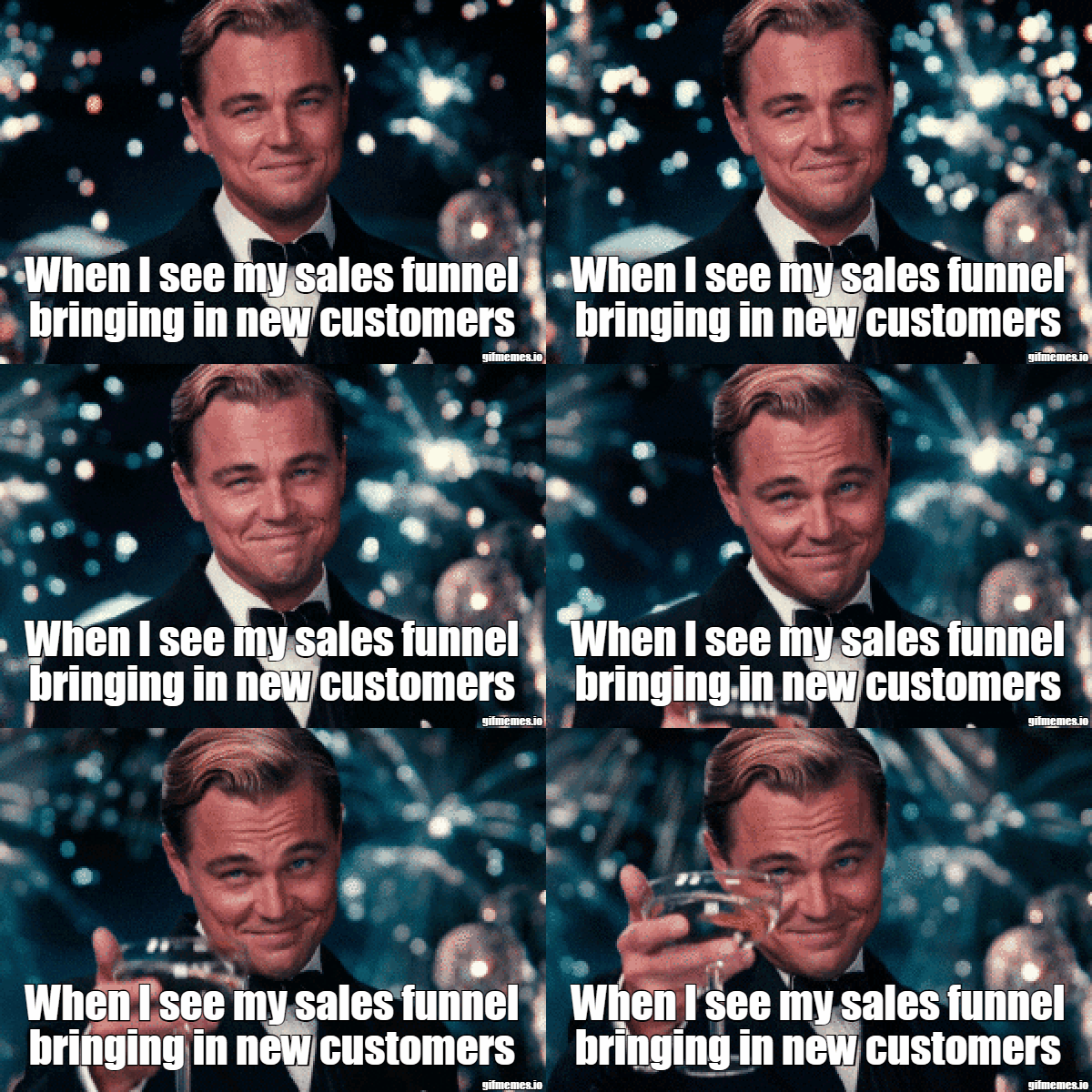
Aim: To establish an effective sales funnel initiative in your Shopify store.
Optimal Outcome: To create a seamless customer journey that leads to a successful purchase and increased sales.
What do you need to start: You will need to have a Shopify store setup.
Why is this SOP Important: Setting up your sales funnel initiatives is crucial for the success of your e-commerce store. A well-structured sales funnel helps you to attract the right customers, demonstrate the value of your products, convert visitors into customers, and satisfy them, leading to repeat purchases and increased sales.
When and Where to execute: This SOP can be executed at any time after setting up your Shopify store.
Who Should Be Doing This: The person responsible for marketing and sales initiatives in your organization.
What is a funnel initiative?
A funnel initiative in e-commerce refers to a strategy that guides potential customers through the buying process, also known as the sales funnel. The goal is to move customers from awareness to interest, desire, action, and loyalty with the aim of increasing the overall conversion rate into paying customers. This is done through targeted advertisements, promotions, customer reviews, a streamlined purchasing process, and loyalty programs.
Execution
Resources/Tools & Set up
-
Shopify account
-
Marketing strategy to drive traffic to your Shopify store
Awareness
This sales funnel initiative aims to raise awareness of a product or service by reaching potential customers through targeted advertisements and marketing efforts. It is essential in creating initial exposure and get potential customers to become familiar with the brand and product offerings.
- Content Marketing
Create valuable and relevant content, such as blog posts, videos, and infographics, that educate and inform your target audience about your products and services.
- Influencer marketing
Partner with influencers in your industry to promote your products and services to their followers.
- Paid Advertising
Use paid advertising, such as Google Ads or social media ads, to reach your target audience and drive traffic to your website.
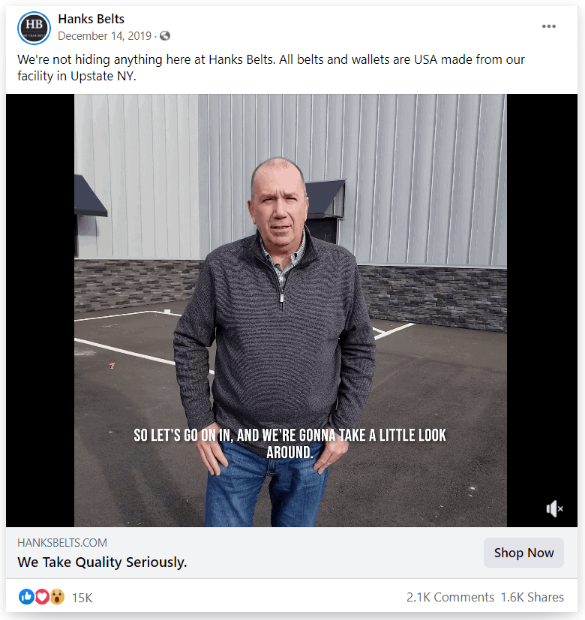
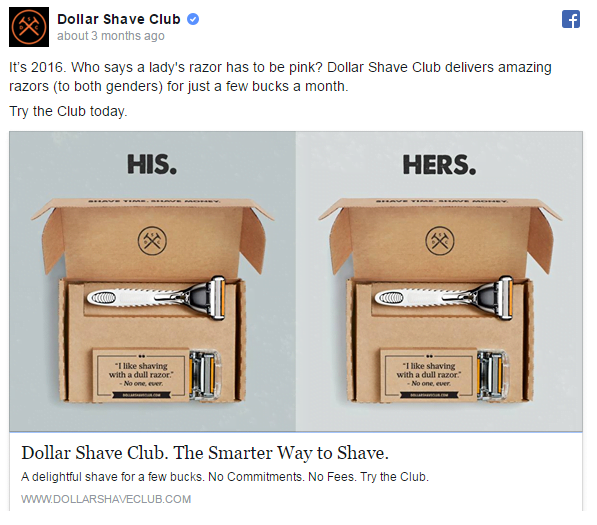
💡 Tip: Include a video of the product creation process in your Facebook ad to increase engagement and showcase your brand's story.
- Landing Pages
Create targeted landing pages for specific products or promotions, with a clear call-to-action, to encourage visitors to take the next step in your sales funnel. Here are some additional strategies you can implement to make the most of your landing pages:
-
Personalize the page: Use personalization tactics, such as dynamic content, to tailor the page to the individual user, making them feel seen and understood.
-
Highlight benefits: Make sure to highlight the benefits of your products or services on the landing page, rather than just listing features. This helps potential customers see the value you offer.
-
Use social proof: Include social proof, such as customer testimonials, reviews, and ratings, to build trust and credibility with potential customers.
-
Optimize for mobile: Ensure that your landing pages are optimized for mobile devices, as an increasing number of customers are using their smartphones to browse and make purchases.
-
Include a clear call-to-action: Make sure to include a clear call-to-action on your landing page, such as "Sign up now" or "Learn more," to guide visitors towards the next step.
- Email Marketing
Build an email list and send regular email campaigns to educate and engage your subscribers, with the goal of driving them further down your sales funnel.
- Social media
Use social media platforms, such as Facebook, Instagram, and Twitter, to connect with your target audience, share your content, and build brand awareness.
- Referral Program
Implement a referral program that rewards customers for referring friends and family to your business.
- Participate in events
Attend and participate in industry events, trade shows, and conferences to connect with potential customers and build brand awareness. Here are some strategies you can implement to make the most of your event participation:
-
Sponsorship: Consider sponsoring an event, which can provide you with increased exposure and opportunities to connect with attendees.
-
Speaking opportunities: Seek out speaking opportunities, such as panel discussions or presentations, to showcase your expertise and establish your brand as a thought leader in your industry.
-
Product demonstrations: Set up a booth or table at the event and demonstrate your products and services, allowing attendees to get hands-on experience and see the value you offer.
-
Networking: Take advantage of the networking opportunities available at events to connect with potential customers, influencers, and industry partners.
-
Social media presence: Have a strong social media presence at the event, sharing updates, photos, and live streams, to reach a wider audience and build brand awareness.
-
Post-event follow-up: Following the event, reach out to the connections you made, share any event highlights, and invite them to connect with you further.
- Brand Collaboration
Collaborate with other brands to tap into their existing customer base and reach new audiences, building brand awareness and driving traffic to your website.
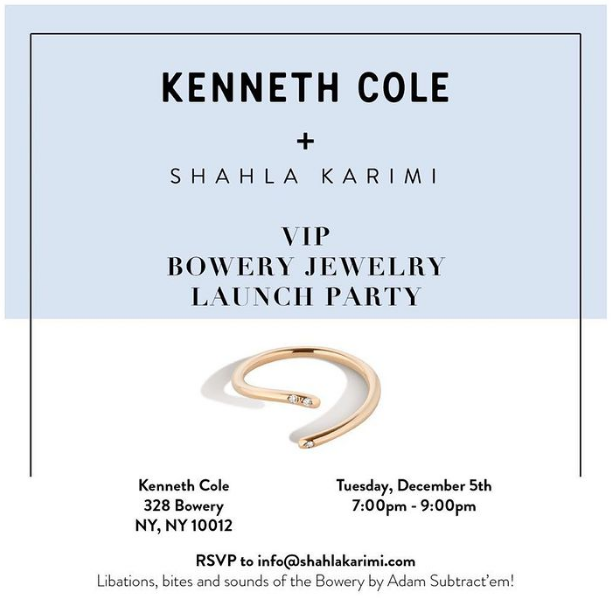
Here are some ideas on how to promote your brand through collaboration:
-
Joint promotions: Partner with complementary brands to run joint promotions and offer discounts or special deals to your shared customer base.
-
Co-branded content: Create co-branded content, such as blog posts, videos, or webinars, with a partner brand to reach new audiences and increase brand exposure.
-
Product bundles: Offer product bundles with complementary products from another brand to provide more value to your customers and increase the average order value.
-
Joint events: Host joint events, such as product launches or workshops, with your collaboration partner to reach new audiences and generate interest in your products and services.
Interest (Product Page)
This sales funnel initiative aims to spark interest in a product or service by presenting its features and advantages. It is crucial in establishing a foundation for future engagement by allowing potential customers to understand the product's value.
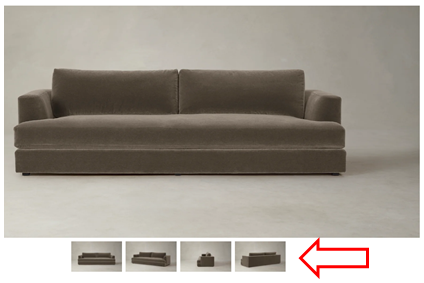
- High-quality product images
Use high-quality, clear, and detailed images to showcase your products and give customers a better idea of what they are purchasing. Consider using 360-degree images or product videos to provide an even more immersive experience.
- Product Features
Emphasize your product's distinct selling points by showcasing its unique features and benefits in a clear and compelling manner on the product page to drive higher conversion and average order value (AOV).

- Product descriptions
Write detailed and engaging product descriptions that highlight the key features and benefits of your products. Use clear and concise language and consider adding customer reviews and ratings to build trust and credibility.
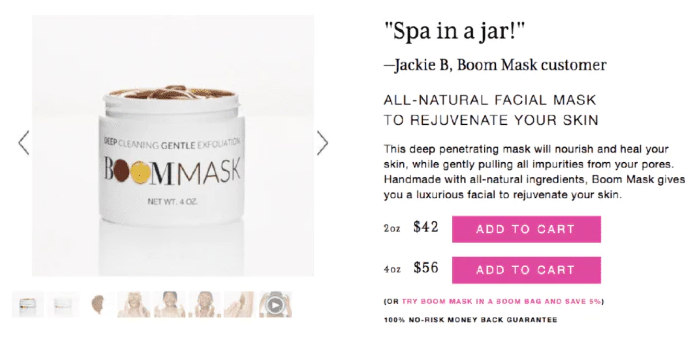
💡 Tip: Leverage the power of social proof by prominently featuring customer feedback, such as positive reviews or testimonials, as a headline on your product description to increase trust, credibility, and conversion.
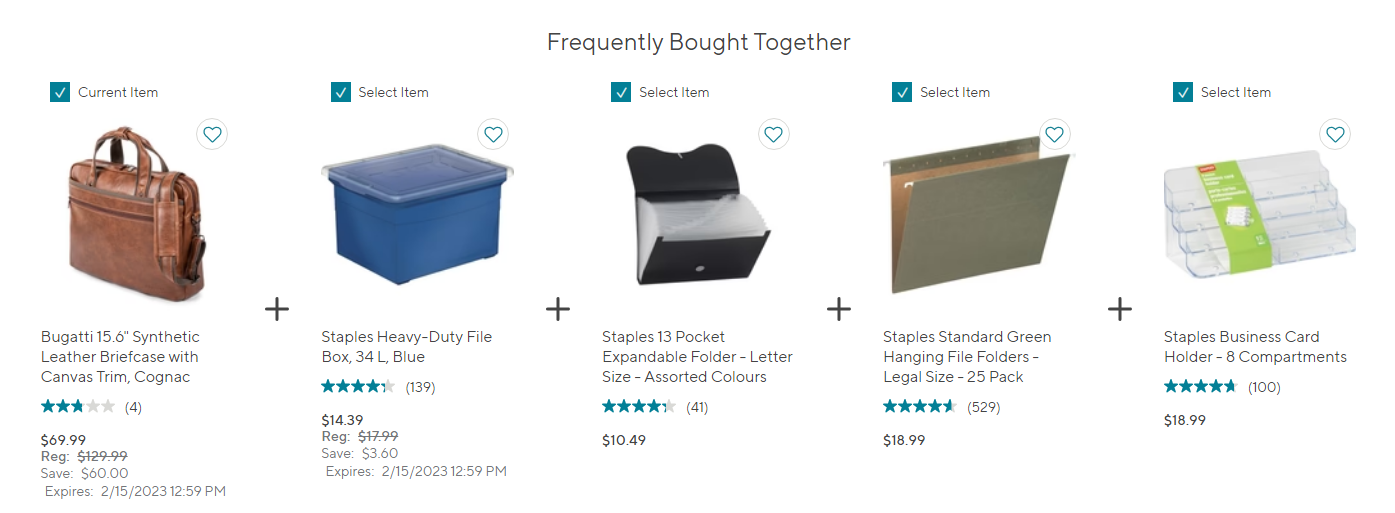
- Product Recommendations
Use product recommendation algorithms or hand-picked collections to show customers complementary or similar products based on their interests and purchase history.
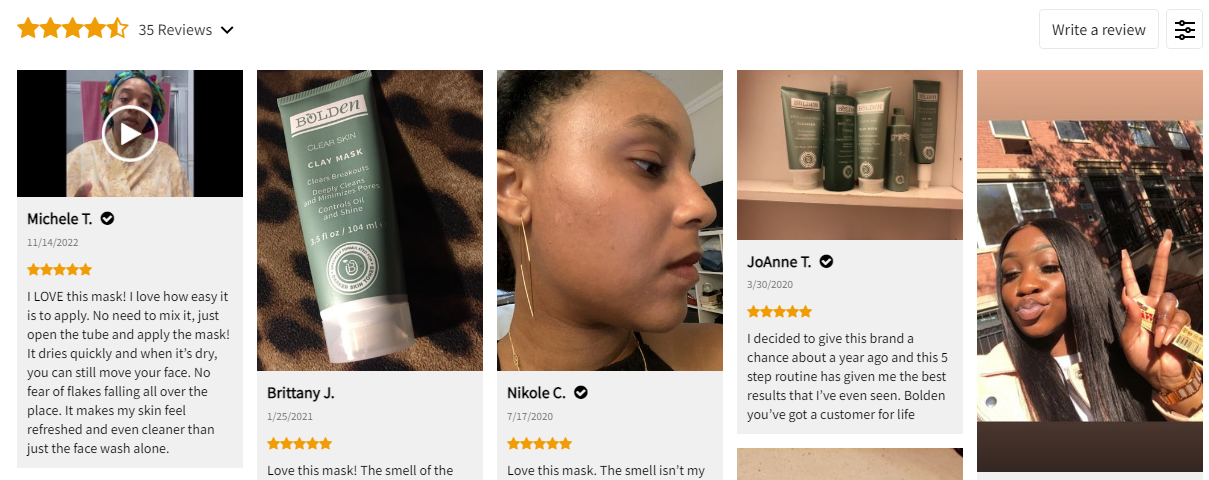
- User-generated Content
Encourage customers to share photos or videos of themselves using your products and showcase this user-generated content on your product pages to build social proof and credibility.
- Interactive Product Demonstrations
Use interactive product demonstrations, such as quizzes, simulations, or configurators, to help customers better understand and engage with your products.
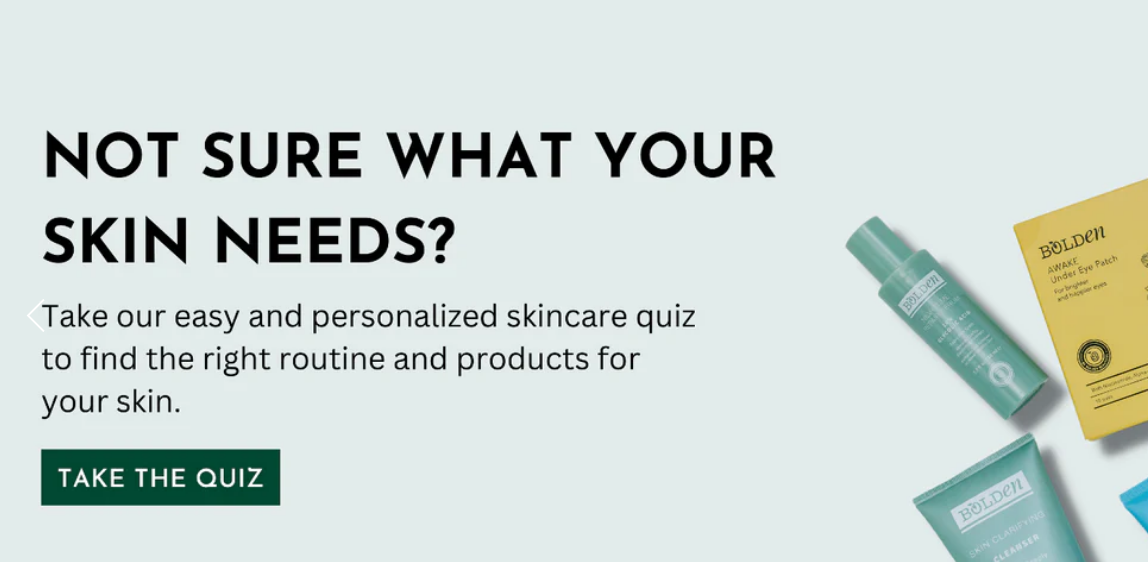
Here are some additional strategies you can implement to make the most of these demonstrations:
-
Highlight product features: Use interactive demonstrations to highlight the key features and benefits of your products, helping customers see the value you offer and increasing their likelihood of making a purchase.
-
Increase engagement: Use interactive elements, such as videos, animations, and simulations, to increase engagement and keep customers interested and engaged throughout the demonstration.
-
Showcase product use: Use interactive demonstrations to showcase how your products can be used, giving customers a better understanding of their practical applications and increasing their likelihood of making a purchase.
-
Offer additional information: Use interactive demonstrations to offer additional information and resources, such as product specifications and customer reviews, to help customers make informed purchasing decisions and increase your AOV.
- Product Customization
Offer customers the opportunity to customize their product with different options, such as size, color, or materials, to make their purchase more personal and unique.
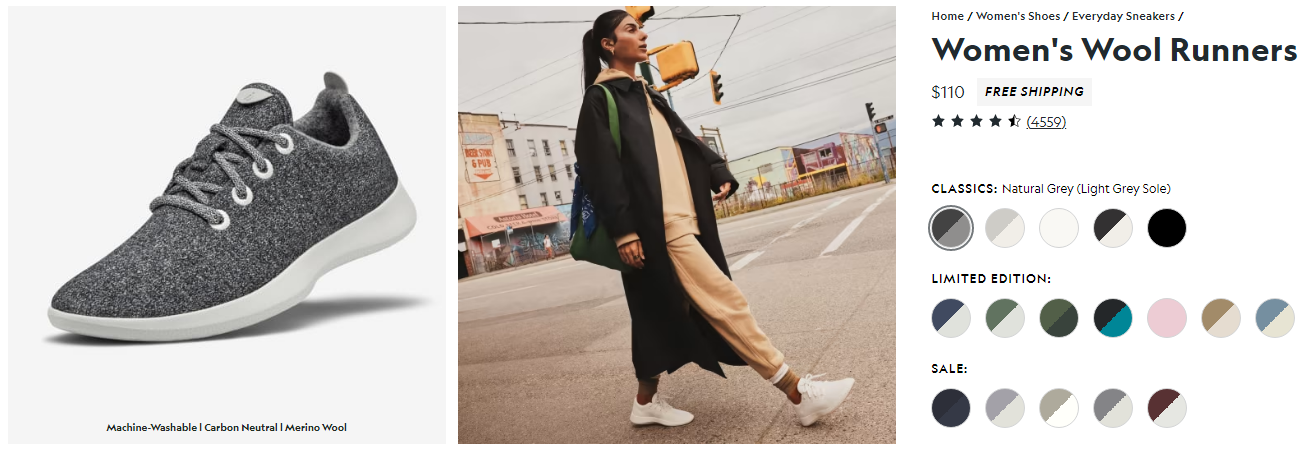
Here are some additional strategies you can implement to make the most of this approach:
-
Offer a wide range of options: Offer a wide range of customization options to customers, allowing them to create products that meet their specific needs and preferences.
-
Highlight the value of customization: Highlight the value of customization, such as the ability to create unique and personalized products, to encourage customers to take advantage of this feature.
-
Make customization easy: Make customization easy and intuitive, with a simple and user-friendly interface that allows customers to easily select the size, color, or material options that work best for them.
-
Showcase the customization options: Showcase the customization options in a visually appealing way, such as with product images or videos that demonstrate the different size, color, or material options available.
-
Upsell opportunities: Use the customization process to provide upsell opportunities, encouraging customers to purchase additional products or upgrades that complement their custom products.
- Free Trials & Samples
Offer free trials, samples, or demos to allow potential customers to experience the product.
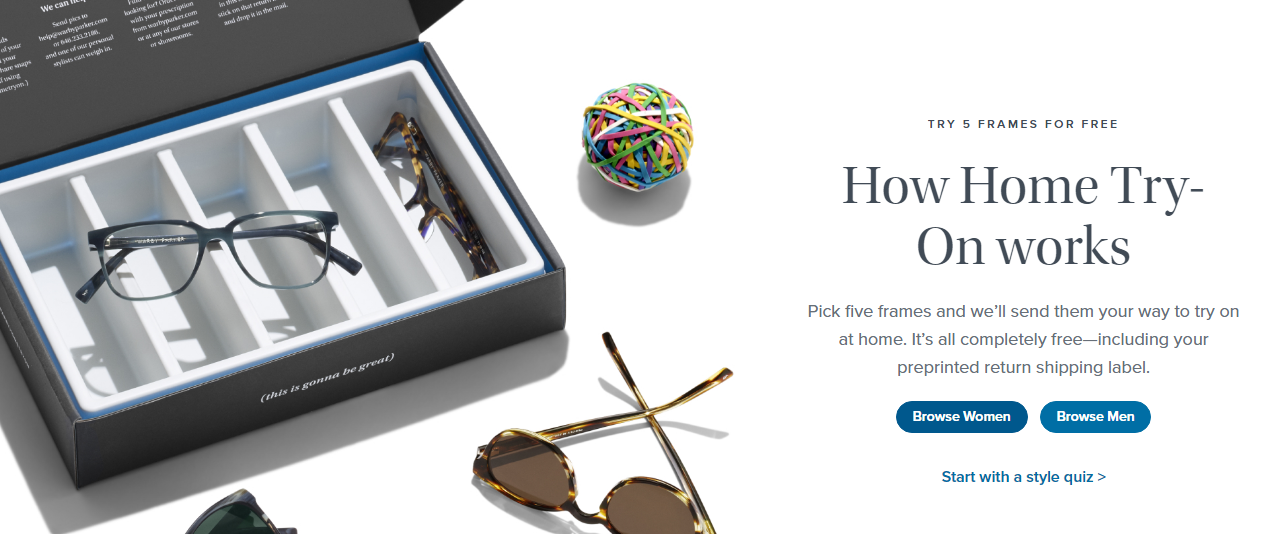
Here are some strategies you can implement to make the most of these tactics:
-
Offer a free trial period: Consider offering a free trial period for your products or services, allowing potential customers to test them out and see the value you offer before committing to a purchase.
-
Offer samples: Consider offering samples of your products, allowing customers to try them out and see the quality and benefits before making a full purchase.
-
Upsell opportunities: During the free trial or sample period, provide upsell opportunities to encourage customers to purchase additional products or services, increasing your AOV.
-
Offer a limited-time discount: Consider offering a limited-time discount to customers who sign up for a free trial or sample and incentivizing them to make a purchase.
-
Cross-sell related products: During the free trial or sample period, cross-sell related products to customers, helping them see the full range of products you offer and increasing your AOV.
- Coupons and Discounts
Offer special promotions, coupons, or discounts to incentivize potential customers to take action.
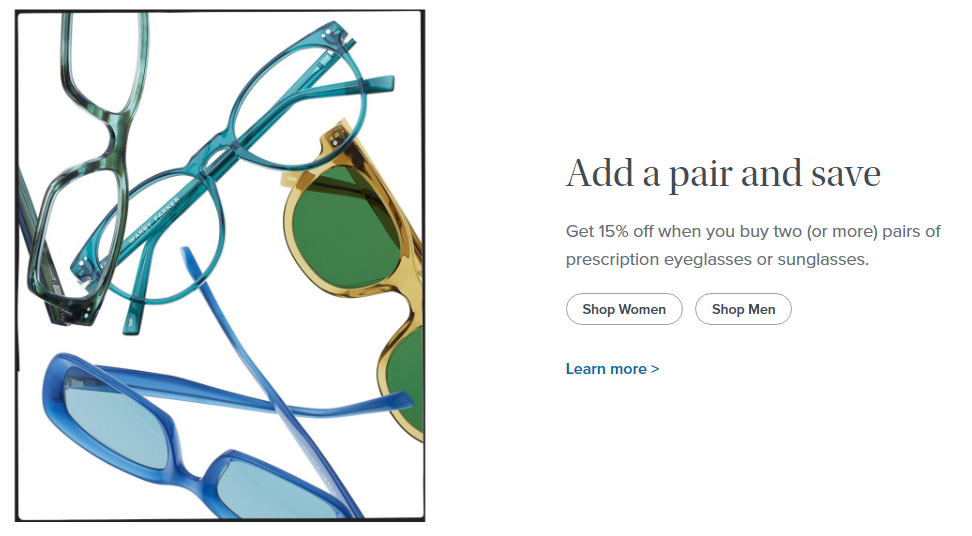
💡 Tip: Offer limited-time discounts, such as "24-hour flash sale" or "limited stock available," to create a sense of urgency and encourage customers to act fast.
- Gamification
Use game-like elements to enhance the customer experience and drive engagement with your products. This strategy can be used to increase conversion rates, average order value, and customer loyalty by making the shopping experience more enjoyable and interactive
Here are some additional ideas for how you can use gamification to increase sales, average order value (AOV), and conversion:
- Customer loyalty programs: Create a loyalty program that rewards customers for making purchases, such as offering points for every dollar spent that can be redeemed for discounts or special offers.
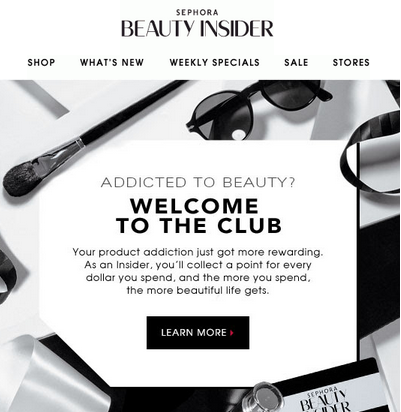
Here are ways to implement customer loyalty programs on your product page to maximize their impact:
-
Create tiered loyalty programs that reward customers for making more purchases, with higher tiers offering more rewards and benefits, such as special discounts, exclusive access to new products, or early access to sales.
-
Implement a points system that allows customers to earn points for every purchase, which can then be redeemed for discounts, free products, or other rewards.
-
Use customer data and purchase history to personalize your loyalty program, making product recommendations and offering rewards that are tailored to each customer's interests and preferences.
-
Offer limited-time rewards and benefits, such as double points or special discounts, to encourage customers to make purchases during specific time periods.
-
Encourage customers to share their loyalty program status and rewards on social media, increasing brand awareness and driving new customers to your store.
-
Quizzes and surveys: Offer quizzes and surveys that allow customers to engage with your brand and learn more about your products, while also earning rewards for their participation.
-
Product scavenger hunts: Create a product scavenger hunt, where customers must complete certain actions or find certain items in order to unlock special offers or discounts.
-
Referral programs: Encourage customers to refer their friends and family to your store, with incentives for both the referrer and the referred customer, such as discounts or points that can be redeemed for rewards.
-
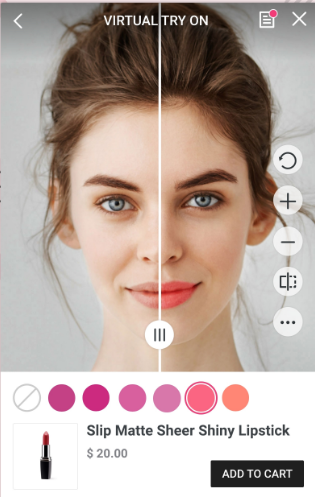
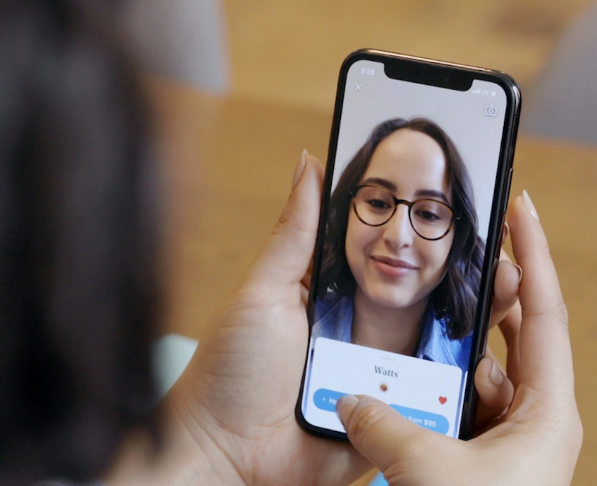
Product demos and tutorials: Offer interactive product demos and tutorials, such as virtual try ons or online courses, that allow customers to learn about your products and engage with your brand, while also earning rewards for their participation.
- Social media challenges: Run social media challenges that encourage customers to engage with your brand and share their experiences. Here are a few ideas to consider:
-
User-generated content challenge - Encourage customers to share photos or videos of themselves using your products, either on their own social media profiles or on your brand's page. Offer a prize, such as a discount code or a free product, to the best submissions.
-
Referral challenge- Encourage customers to refer their friends and family to your brand by offering a discount or free product for each successful referral.
-
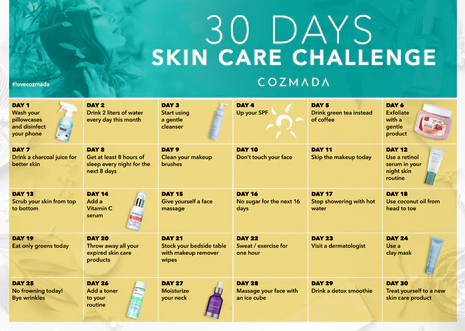
Product-based challenge - Create a challenge based on your product, such as a "30-day fitness challenge" for a gym equipment brand, and offer discounts or free products to participants who complete the challenge and share their results on social media.
-
Social media scavenger hunt - Create a scavenger hunt on social media, where customers must find and collect certain clues in order to win a prize.
-
Contests - Run contests on social media, such as a photo or video contest, where customers can win prizes for submitting the best content.
Desire (Cart Page)
This sales funnel initiative aims to cultivate a desire for a product or service by emphasizing the emotional appeal of using the product and highlighting customer reviews and testimonials. This is vital in boosting the perceived value of the product and creating a stronger drive to purchase.
- Cart Abandonment Reminders
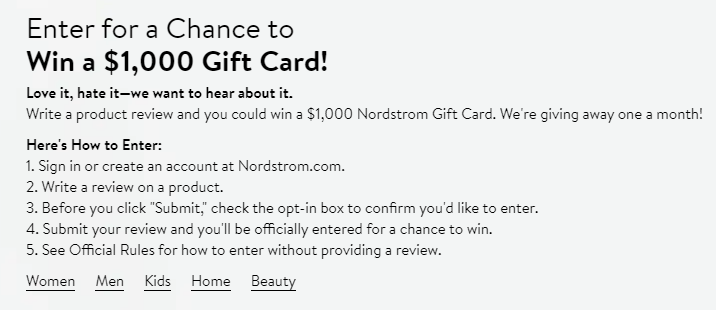
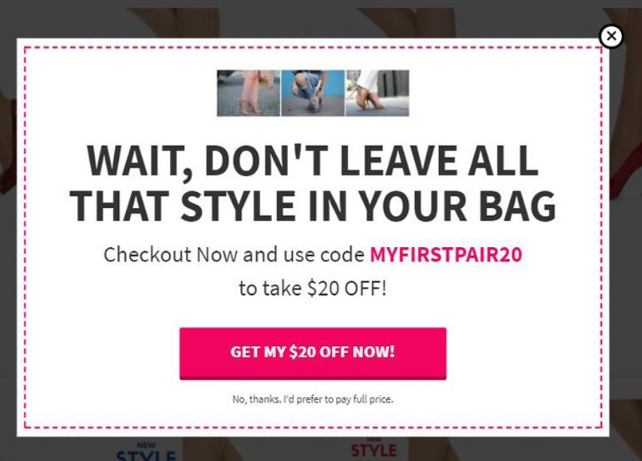
Implement cart abandonment reminders to reach out to customers who have added items to their cart but have not yet completed their purchase. You can offer a discount or other incentive to encourage them to complete their purchase.
- Free Shipping Threshold
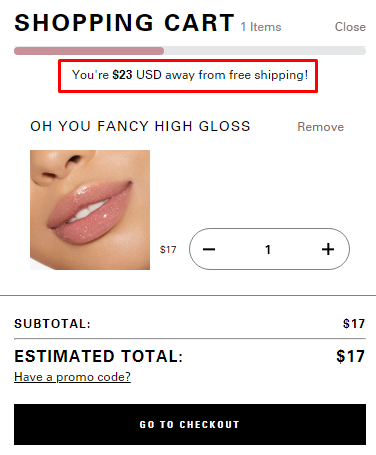
Offer free shipping or other incentives to customers who reach a certain spending threshold, which can encourage customers to add more items to their cart and increase their average order value.
- Upsell and Cross-sell Offer
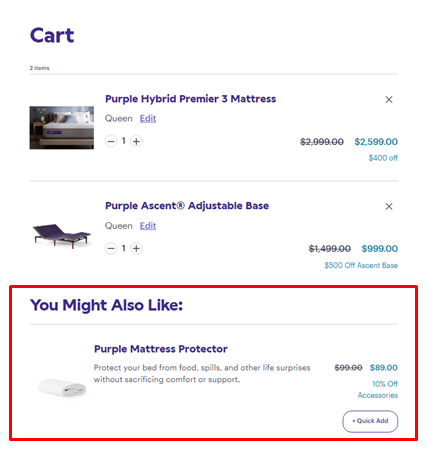
Display upsell and cross-sell offers on your cart page, such as complementary products or accessories, to encourage customers to add more items to their cart.
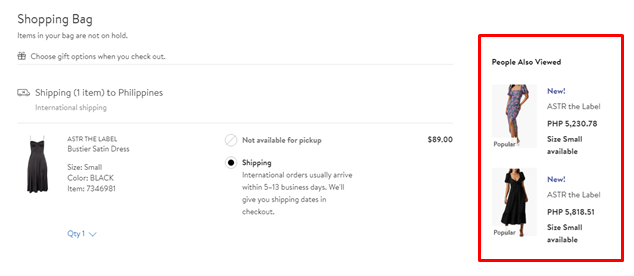
- Product Recommendations
Show personalized product recommendations based on the items in the customer's cart to help them discover new products and potentially increase their average order value.
- Cart Recovery Email
Send a follow-up email to customers who abandon their cart, offering a discount or other incentive to encourage them to complete their purchase.
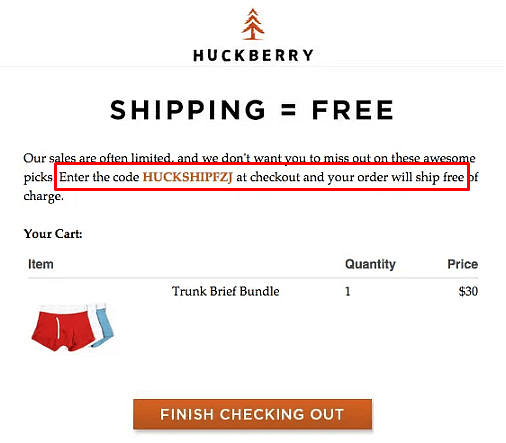
💡 Tip: Make your cart recovery email subject line eye-catching, attention-grabbing, and personalized by using urgency, scarcity, and benefits-oriented language, to increase the chances of your email being opened and read.
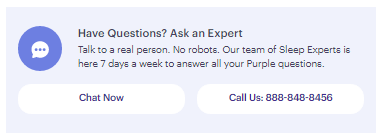
- Live Chat Support
Live chat support allows customers to receive immediate help and clarification on product questions, concerns, or issues, which can increase their confidence in making a purchase. It can also quickly resolve customer complaints or technical issues, reducing shopping cart abandonment and increasing conversion.
Action (Checkout Page)
This sales funnel initiative aims to motivate potential customers to take action, such as making a purchase, by making the process as effortless and user-friendly as possible. This step is critical as it directly contributes to revenue and increases the likelihood of converting potential customers into paying customers.
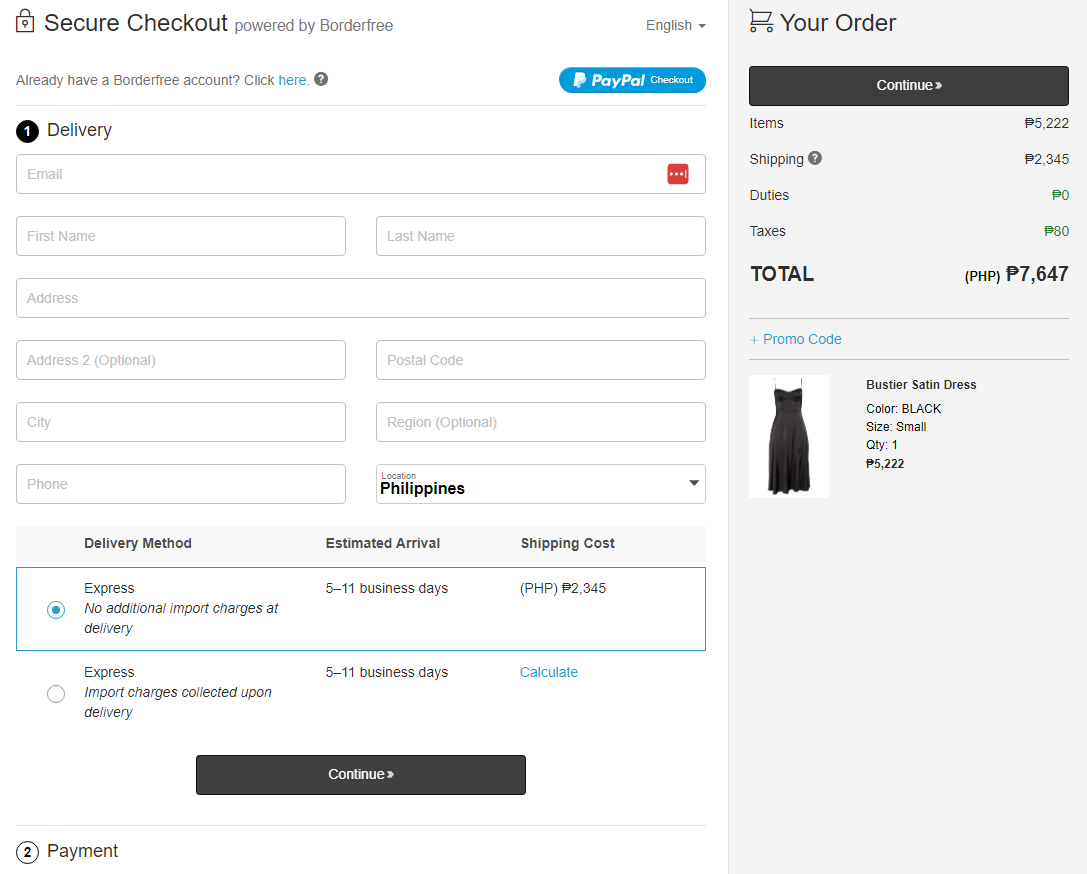
- One-page Checkout
Streamline the checkout process by using a one-page checkout form, reducing the number of clicks and steps required to complete the purchase.
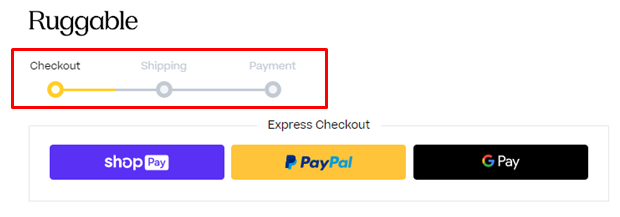
- Progress Bar
Use a progress bar to show customers where they are in the checkout process and how many steps are left to complete their purchase.
- Auto-fill
Implement an auto-fill feature that prefills customer information, such as shipping and billing addresses, to make checkout faster and more convenient.
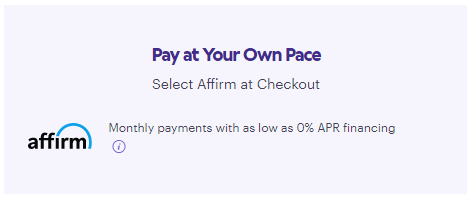
- Payment Options
Offer multiple payment options, including credit card, PayPal, Apple Pay, and other popular methods, to make checkout as easy and convenient as possible for customers.

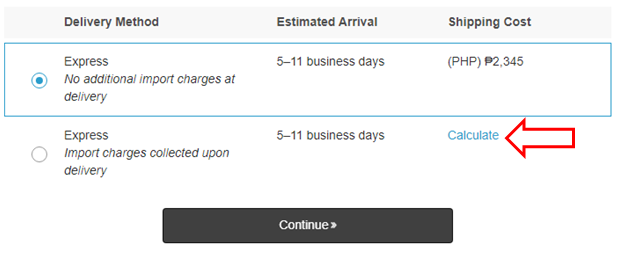
- Real-time Shipping Cost Calculation
Calculate shipping costs in real-time based on the customer's location, order total, and other factors, and display this information prominently on the checkout page.
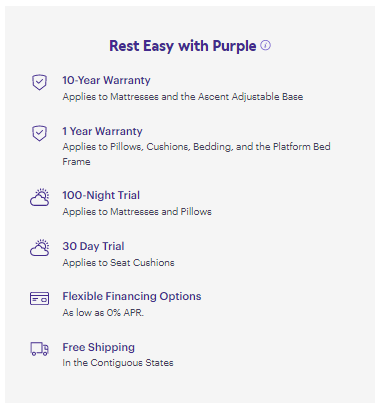
- Guarantee and Warranty
Offer a guarantee or warranty to build trust and reduce concerns about risk.
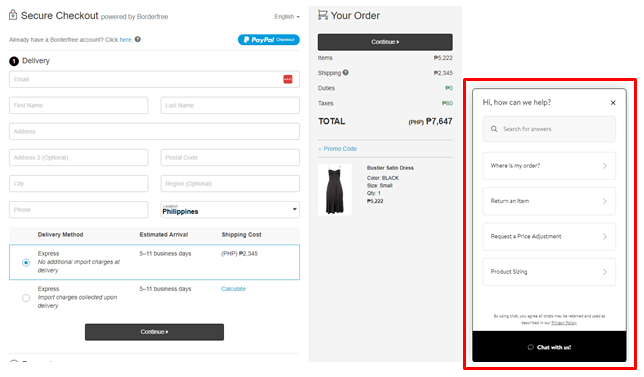
- Live Chat Support
Offer live chat support on your checkout page to answer any questions customers may have and help them complete their purchases.
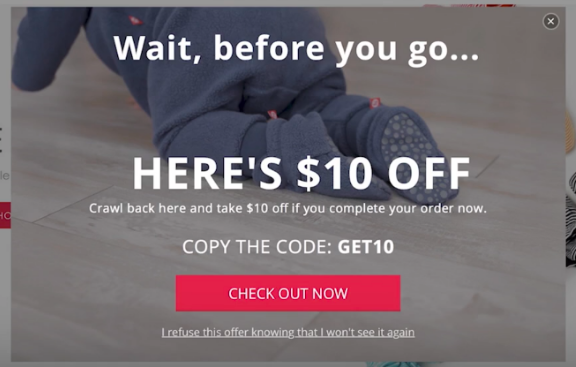
- Exit-intent Technology
Exit-intent technology is a tool that detects when a customer is about to leave your website and triggers an action, such as a pop-up or a special offer, to try and retain their attention and keep them from leaving. Here are some ideas for using exit-intent technology to improve your conversion rate and average order value:
-
Cart recovery: Offer a discount or special promotion to customers who are about to abandon their cart, in an attempt to convince them to complete their purchase.
-
Exit-intent surveys: Use exit-intent surveys to collect feedback from customers who are about to leave your website, which can help you understand why they're leaving and make improvements to your site.
-
Lead generation: Use exit-intent technology to capture leads from visitors who are about to leave your website, by offering them something of value, such as a free trial or a discount code, in exchange for their email address.
-
Upsell and cross-sell offers: Offer upsell and cross-sell to customers who are about to leave your website, such as complementary products or accessories that complement their current purchase.
-
Exit-intent landing pages: Create exit-intent landing pages that are triggered when a customer is about to leave your website, and provide them with additional information or offers to keep them engaged.
Post-Purchase Upsell
This sales funnel initiative involves offering additional products or services after a customer has made a purchase. It is crucial in expanding the customer's relationship with the company and increasing their lifetime value by encouraging repeat purchases.
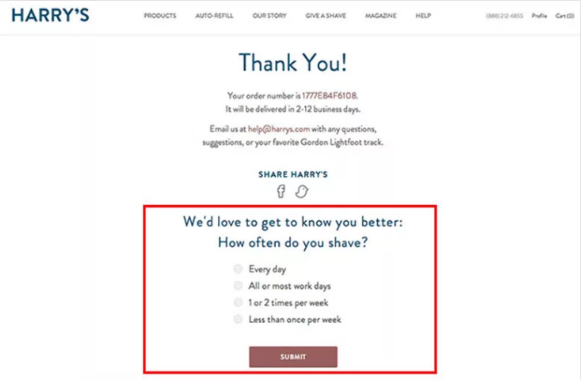
- Thank-you Pages
Create a custom thank-you page that acknowledges the customer's purchase and provides them with the next steps, such as downloading their purchase, setting up an account, or even answering a survey.
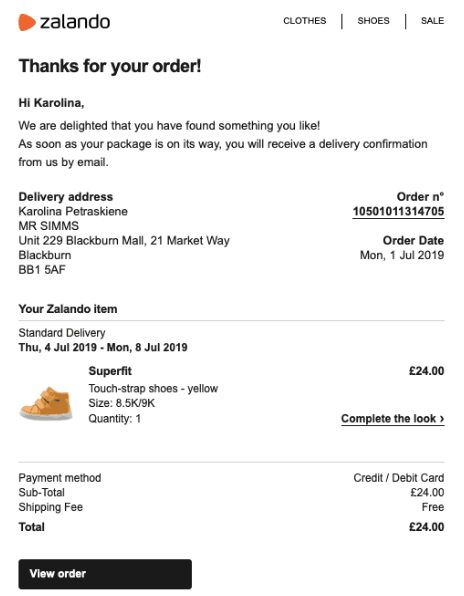
- Post-purchase Email
Send a post-purchase email to thank customers for their purchase and provide them with information about their order, such as tracking information or a confirmation of their purchase.
- Upsell and cross-sell Offers
Give upsell and cross-sell offers to customers after they've completed their purchase, such as complementary products or accessories that complement their purchase.
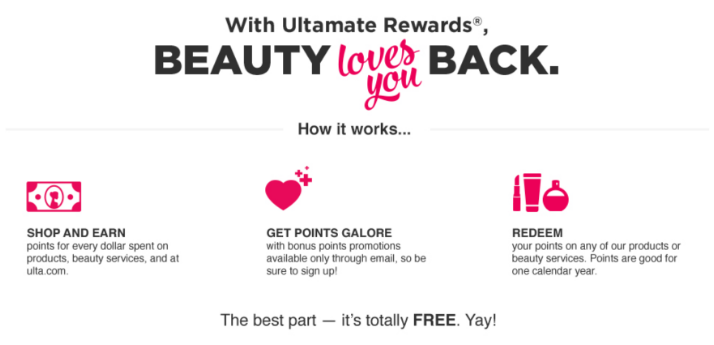
- Loyalty Program
Implement a loyalty program that rewards customers for repeat purchases and encourages them to spend more with your business over time.
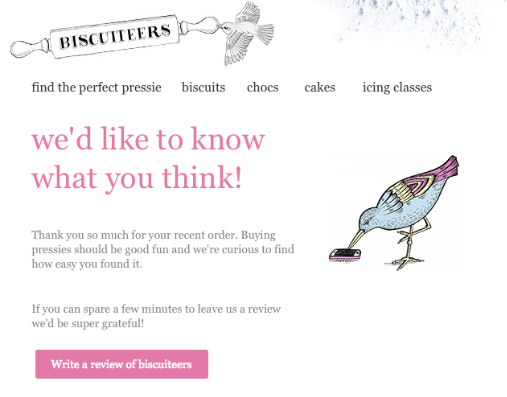
- Product Reviews
Encourage customers to leave product reviews after their purchase, which can help build trust and credibility with other potential customers.
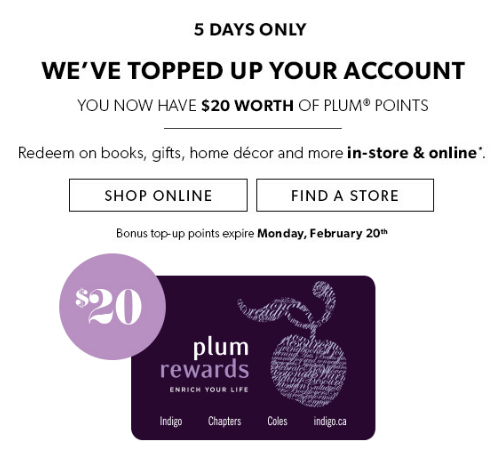
- Win-back Campaigns
Reach out to customers who haven't made a purchase in a while and offer them a special deal or promotion to encourage them to come back and make another purchase.
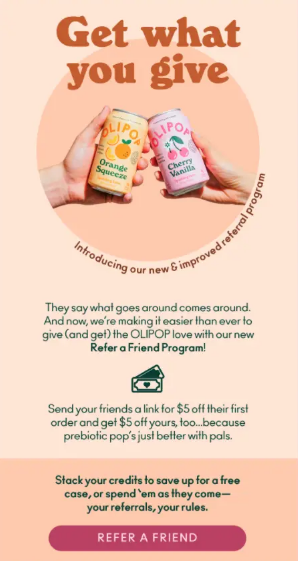
- Referral Program
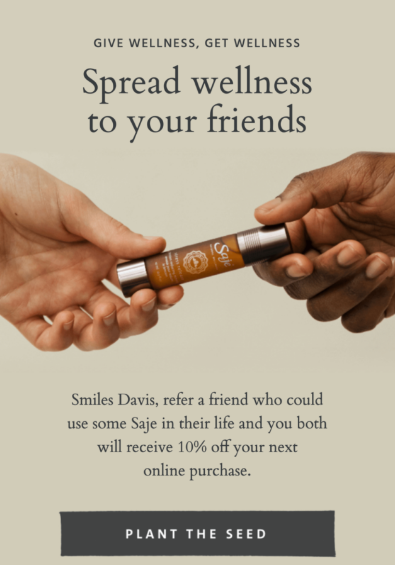
Implement a referral program that rewards customers for referring friends and family to your business.
Conclusion
You’re done! By following the AIDAL (Awareness, Interest, Desire, Action, and Post-Purchase Upsell) framework, you can optimize your sales funnel and ensure that your customers have a positive buying experience**.** This SOP has provided a comprehensive guide on how to set funnel initiatives in Shopify, including
-
Awareness: Get the right visitors to your website and attract their attention with compelling messaging and visuals.
-
Interest: Demonstrate the value of your products and engage visitors with personalized offers and experiences.
-
Desire: Create a sense of urgency and motivate visitors to take action by showcasing social proof and limited-time offers.
-
Action: Encourage visitors to take action by making it easy for them to buy and by offering a seamless checkout experience.
-
Post-Purchase Upsell: Encourage repeat purchases and build customer loyalty by offering post-purchase follow-up and personalized recommendations.