A Guide to Analyzing Your Competitor’s Email Marketing Strategy
To analyze your competitor's email marketing strategy so that you can gain insights and ideas to improve your own email marketing efforts.
Prefer a shortcut? 16 free tools do parts of this for you.
a few hours*

Aim: To analyze your competitor's email marketing strategy so that you can gain insights and ideas to improve your own email marketing efforts.
Optimal Outcome: To equip you with the knowledge and tools necessary to analyze your competitor's email marketing strategy, identify areas for improvement, and implement changes to your own strategy to achieve better results.
What do you need to start:
-
A list of your competitors' email addresses
-
Access to their email campaigns
-
An email marketing tool for sending and analyzing emails (such as Mailchimp, Constant Contact, or ActiveCampaign)
-
A spreadsheet program for organizing data (such as Excel or Google Sheets)
Why is this SOP Important: Analyzing your competitor's email marketing strategy can provide you with valuable insights that can help you improve your own email campaigns. By understanding what works and what doesn't work for your competitors, you can adjust your own strategy to better engage your audience, increase conversions, and ultimately achieve better results.
When and Where to execute: This process can be executed repeatedly, as you continue to analyze your competitors and refine your own email marketing strategy. The ideal time to execute this guide is when you are looking to improve your email marketing results or want to stay ahead of your competition.
Who Should Be Doing This: Anyone involved in email marketing, from small business owners to marketing professionals.
Identify your competitors' email addresses
You can do this by subscribing to their email lists or using tools such as Hunter.io to find email addresses associated with their domain.
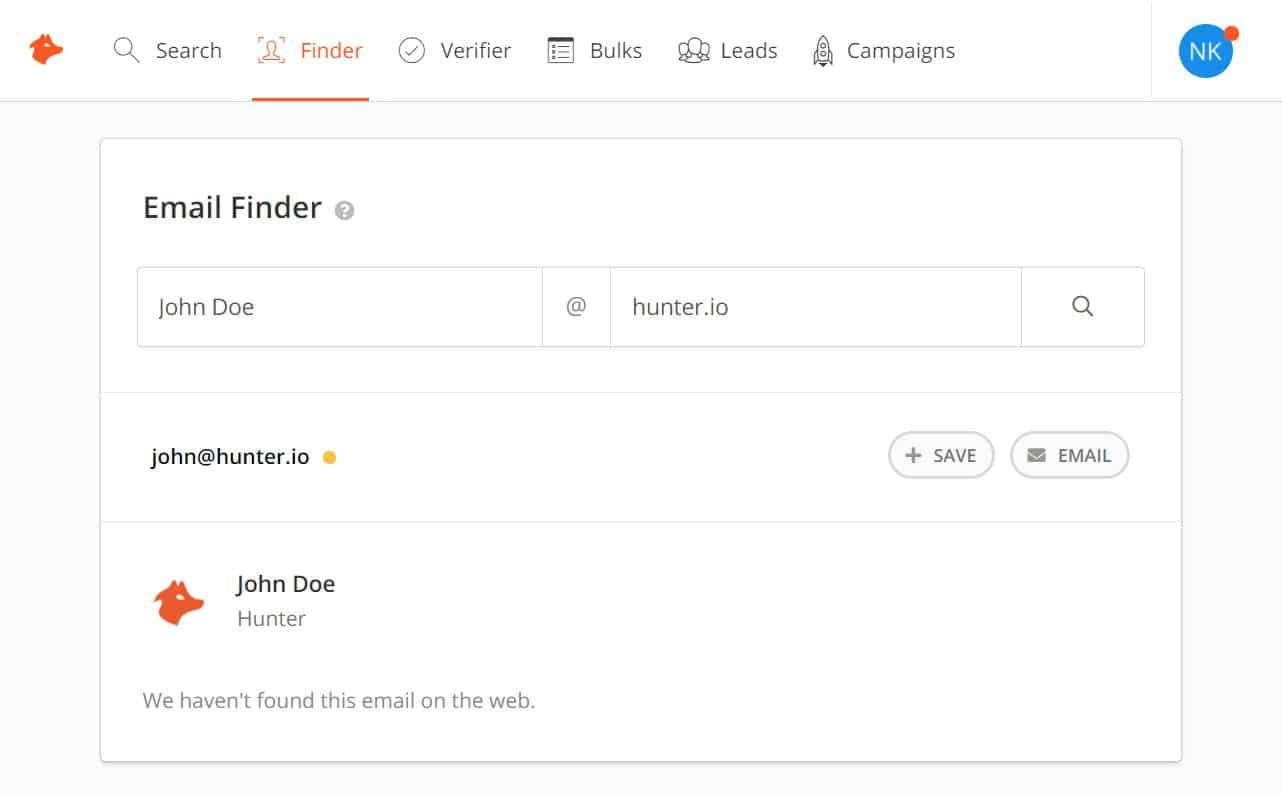
Sign up for your competitors' email campaigns
This will allow you to receive their emails and analyze their content.
Create a spreadsheet to organize data
Create a new spreadsheet and include columns for the competitor name, email subject line, date sent, sender name, sender email address, and any other data points that you want to track.
Collect data on your competitors' email campaigns
As you receive emails from your competitors, record the data points in your spreadsheet.
This will allow you to analyze trends and identify areas for improvement.
Analyze your competitors' email campaigns
Look for patterns in your competitors' email campaigns, such as the:
-
frequency of emails
-
time of day they are sent
-
subject lines used
-
content of the emails
Identify what works and what doesn't work in their campaigns, and use this information to inform your own email marketing strategy.
Identify opportunities to differentiate your email campaigns
Look for areas where you can differentiate your email campaigns from your competitors' campaigns.
This may include using different subject lines, sending emails at different times, or offering unique content in your emails.
Test and refine your email campaigns
Use the insights you have gained from analyzing your competitors' email campaigns to test and refine your own email campaigns.
Experiment with different subject lines, email content, and send times to see what resonates with your audience.
Conclusion
You’re done!
By following these steps, you can gain valuable insights into your competitor's email marketing strategy and use this information to improve your own campaigns. Remember to continue monitoring your competitors' campaigns and refining your own strategy to stay ahead of the competition.
Execution Checklist:
-
Identify your competitors' email addresses
-
Sign up for your competitors' email campaigns
-
Create a spreadsheet to organize data
-
Collect data on your competitors' email campaigns
-
Analyze your competitors' email campaigns
-
Identify opportunities to differentiate your email campaigns
-
Test and refine your email campaigns