A Guide to Setting Up Your Sales Funnel
To create an effective sales funnel within the Shopify platform.
Prefer a shortcut? 16 free tools do parts of this for you.

Aim: To create an effective sales funnel within the Shopify platform.
Optimal Outcome: To increase sales and conversion rates for your e-commerce store.
What do you need to start: To follow this SOP, you will need a Shopify account, products to sell, and. marketing tools such as email, social media, and advertising campaigns.
Why is this SOP Important: Having a well-structured sales funnel in your Shopify store helps increase conversion rates and customer satisfaction. By guiding customers through a clear and concise purchasing process, you can ensure that their buying experience is seamless and enjoyable.
When and Where to execute: The sales funnel setup process can be executed within the Shopify platform at any time.
Who Should Be Doing This: Individuals responsible for managing the online sales and marketing efforts of a Shopify store.
What is a sales funnel?
A sales funnel is a marketing concept that outlines the journey a potential customer takes from awareness of a product or service to the eventual purchase. It is a visual representation of the steps involved in converting a prospect into a customer, typically consisting of several stages such as attracting leads, nurturing prospects, converting leads into customers, and retaining customers. The goal of a sales funnel is to guide and qualify leads through the purchasing process and ultimately increase conversion rates.
Execution
Resources/Tools & Set up
-
Shopify Account
-
Marketing Assets
Attract the right visitors
The awareness stage is where you capture the attention of a potential customer. This can occur through a variety of means, such as advertisements, YouTube videos, Instagram posts, word-of-mouth referrals, or other connections to your brand or products.
- Establish your brand with Facebook advertising
A great starting point would be to identify the issues faced by potential customers, then use Facebook ads to promote products that provide solutions to those problems.
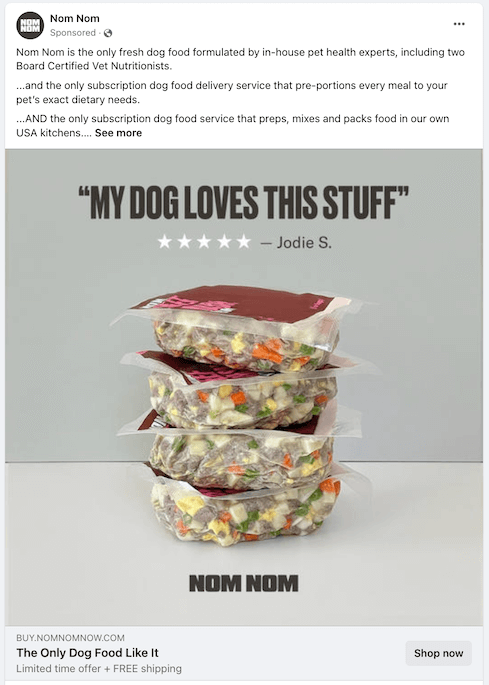
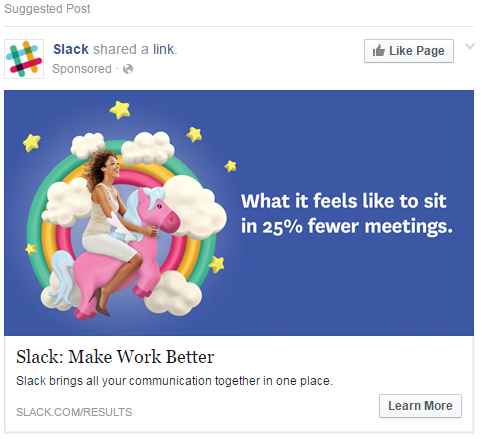
💡 Tips for creating Facebook Ads:
-
Create eye-catching ad copy using compelling extracts from customer reviews.
-
Ensure your primary text includes crucial information while the creative part of your ad is attention-grabbing and arouses interest to read further.
-
Promote your deals and offers in the ad description.
-
Emphasize the emotional benefits of using your product by incorporating powerful words and phrases.
-
Get creative with your ad design and imagery.
-
Make a lasting impression by incorporating a memorable tagline or slogan as the headline
- Appear on Google Search Results
Promote your products effectively through Google ads by reaching out to individuals actively searching for your offerings. To achieve this, create an attention-grabbing ad copy and carefully select the relevant keywords to optimize your appearance on the top of the search results page.
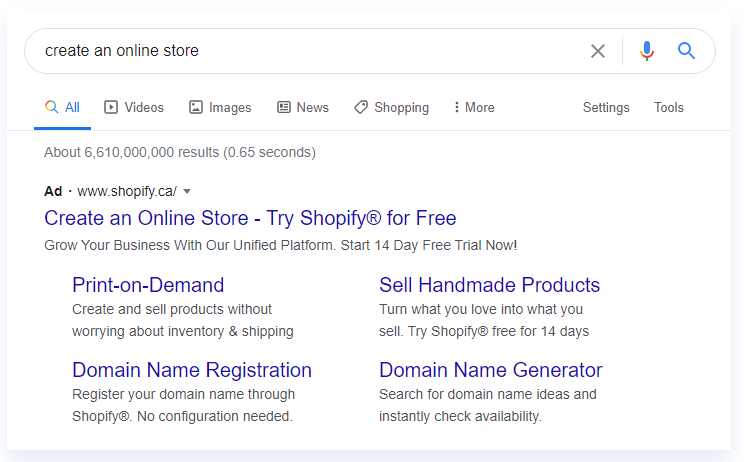
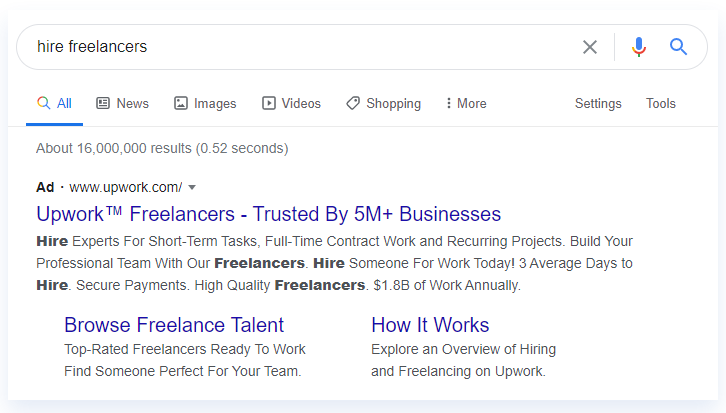
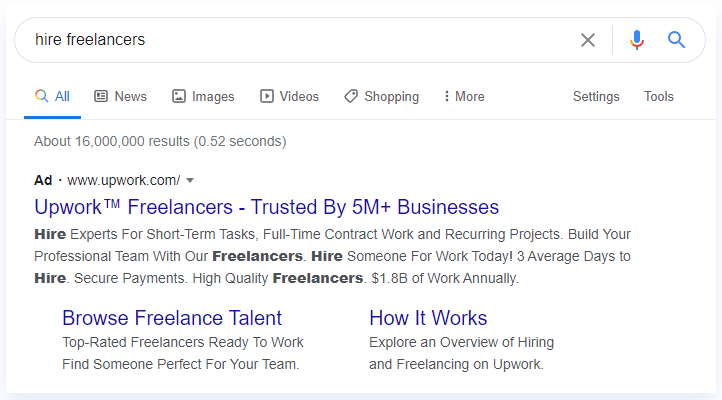
💡 Tips for creating Google Ads:
-
Segment your ads by audience.
-
Personalize your landing pages for each audience segment.
-
Use message-matching for maximum effectiveness.
-
Make sure your ad is highly relevant to the search query to improve your Google Quality Score.
-
Highlight the trust factor in your ad by including information such as the number of businesses you've served.
-
Show how quickly you can solve the searcher's problem in your ad, such as mentioning an average time to hire or resolve an issue.
- Create non-promotional lead-generation content
Develop content that generates leads without being overly promotional such as:
-
Informational videos
-
TikTok videos
-
Instagram Stories, Reels, and feed posts
-
Podcasts
-
Influencer collaborations
-
An effective About Us page
-
Blog posts
Demonstrate the value of your product
In the consideration phase of your Shopify sales funnel, your store's visitors start to compare you to your competitors. They will assess your product features, pricing, and customer reviews to determine if your offering is the right fit for them. Your goal during this stage is to convince potential buyers that your product is the best option available.
- Write Compelling Product Descriptions
Your product's value will not be recognized if you don't tell its story. Devote time to writing detailed and engaging product descriptions that appeal to your customers' needs and emotions.
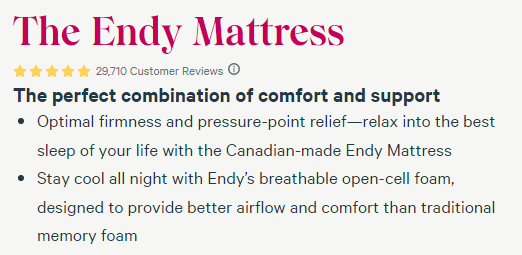
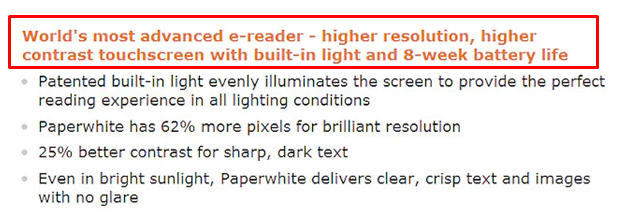
How to write product descriptions that sell
-
Target your ideal customer
-
Highlight the benefits
-
Avoid generic terms
-
Use strong language to support your claims
-
Spark your audience's imagination
-
Use mini-stories to overcome rational objections
-
Incorporate descriptive language to engage the senses
-
Leverage customer testimonials
-
Ensure your description is easy to scan and digest
💡 Tip: If English is not your first language, consider using tools like Grammarly to help.
- Use High-Quality Images
Having visually appealing images is just as important as having well-written descriptions. If possible, create a photoshoot with real people showcasing your products. If not, try to steer clear of stock-looking images and aim for a more authentic look. Make sure all your photos are professional.
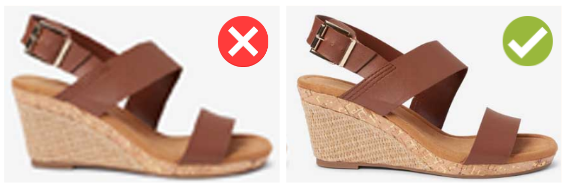
- Display Customer Reviews
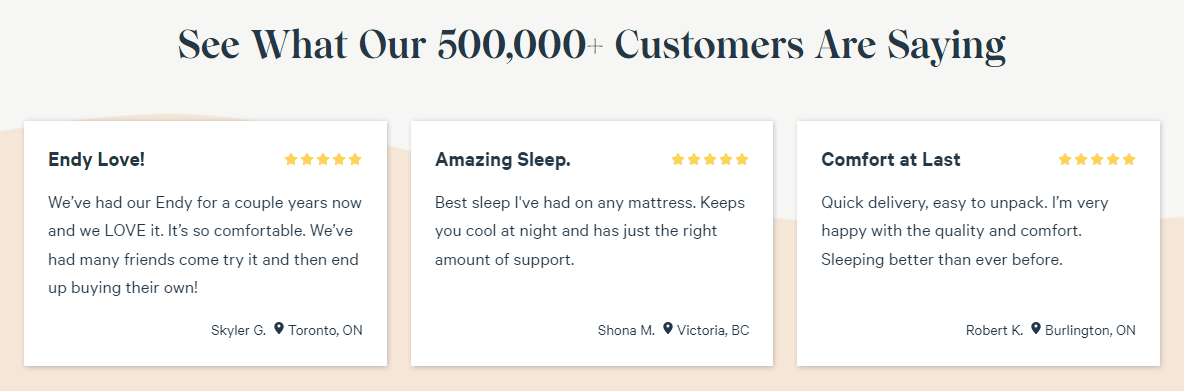
Having other people speak positively about your store and products is key. If you have positive reviews, make sure they are prominently displayed on your homepage and product pages, and even consider using them in your advertisements. If your store is new and doesn't have any reviews yet, reach out to previous customers and politely ask for their feedback.
- Create Lead Magnets
Lead magnets are marketing tools used to entice and attract potential customers by offering them something of value in exchange for their contact information, such as an email address.

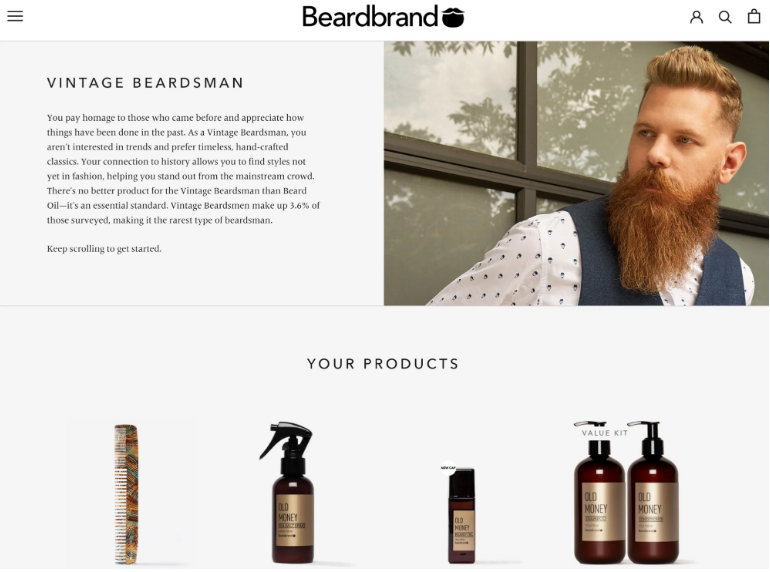
Some lead magnet style content you can provide are:
-
Interactive content like quizzes and calculators
-
Educational videos
-
Downloadables like checklists or ebooks
-
Customer case studies
-
Webinars or live-streaming events on social media
-
Comparison pages
Convert visitors into customers
Converting visitors into customers is the most thrilling aspect of the sales funnel for Shopify stores as it is where the actual sales occur. Implement the following tips to enhance your sales and turn your visitors into customers efficiently.
- Encourage action with compelling CTAs
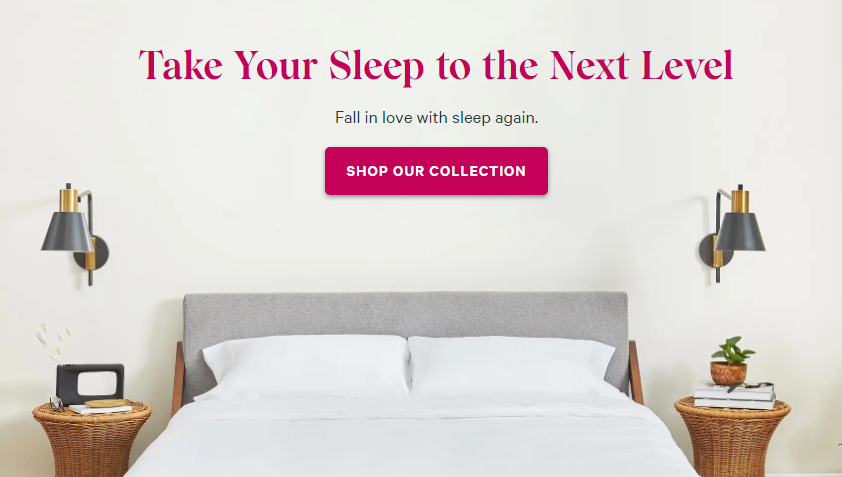
Guiding your potential customers toward making a purchase starts with crafting clear and motivating calls-to-action (CTAs). These can take the form of a button, a product headline, or anywhere else on your store and should be urgent, simple, and promise value**.**
- Improve your store's design
A cluttered and spammy store with too many pop-ups can turn visitors away, just as much as a lackluster design can. Invest in a paid theme for your store and take the time to customize it to create a unique and visually appealing appearance. Ensure that your Shopify store is not only attractive but also easy to navigate, so visitors don't get confused about where to click for related products.
How to Create an Effective Shopify Store Page
Step 1: Choose a Layout
You have three basic layouts to choose from:
-
Traditional Product Page: Suitable for products that are easily understandable or visually appealing, such as clothing or sunglasses.
-
Long-Form Product Page: Ideal for products that require detailed information and can be presented on one long page.
-
Product Mini-Site: Suitable for products with detailed information that are presented on several smaller pages.
Step 2: Style the Header
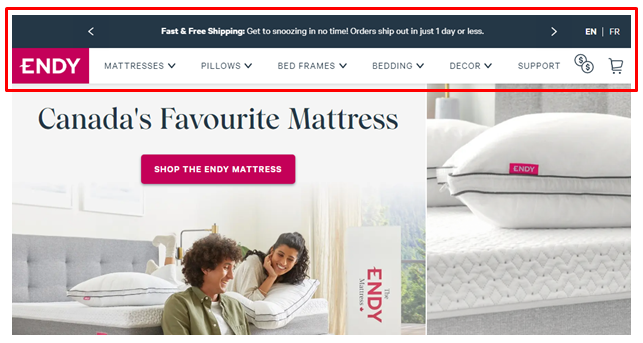
The header refers to the top part of your website that typically contains your logo, menu, shopping cart, and other important links or information that need to be accessible from every page. Here are some tips to enhance the conversion optimization rate when styling the header:
-
Keep it Slim
-
Always provide a link to the shopping cart
-
Display your logo
-
Offer a call to action for email opt-in or purchase
-
Ensure the links are legible
-
Make the header "sticky"
Step 3: Choose a featured testimonial
When selecting a featured testimonial, it is important to choose one that is authentic, specific, and relevant to the product being sold. The testimonial should also be short, concise, and easy to read, and it should include the customer's name. A well-selected feature testimonial can help increase conversions and boost customer trust in the product.
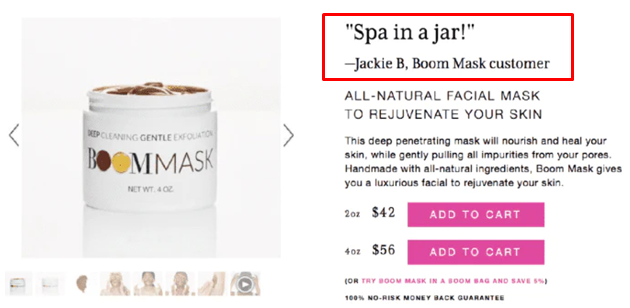
💡 Tip: Choose a testimonial from your biggest customer demographic
Step 4: Select product carousel photos
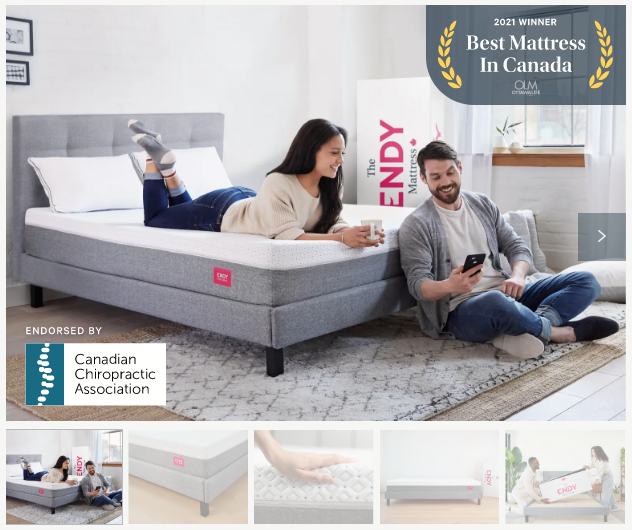
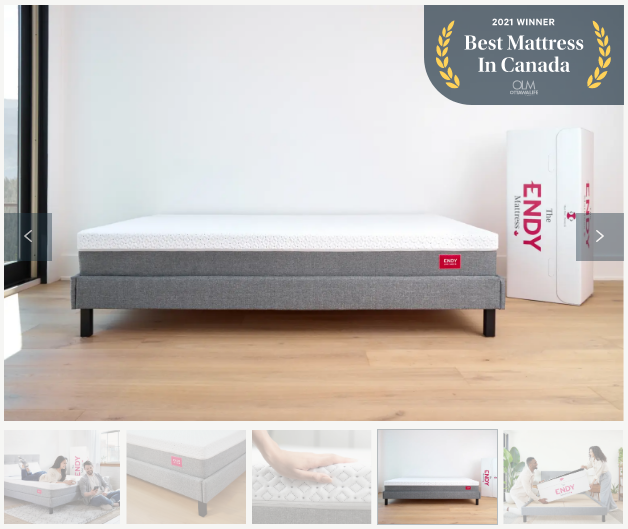
Selecting the right product carousel photos is crucial for showcasing your products in the best possible light. The photos should be high quality, visually appealing and accurately represent the product. Choose images that highlight key features and give customers a clear idea of what the product looks like.
Product carousel photos should include:
-
Pure product pictures
-
In-context/lifestyle images
Step 5: Include a short-form product demo or GIF
A short-form product demo or GIF can be an effective way to showcase the product in action. These videos are versatile and can be used on the product carousel, shared on social media, or included in video advertisements.
Step 6: Enhance buy box content
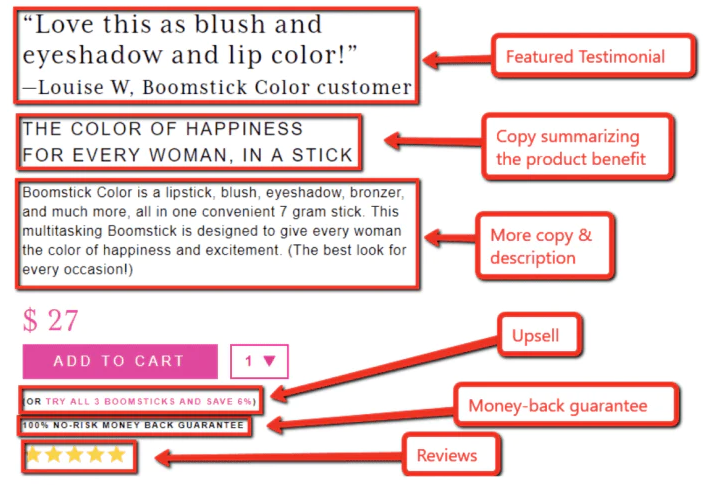
To encourage visitors to make a purchase, optimize the content of your buy box. A well-designed buy box can help increase the chances of a visitor clicking the "Add to Cart" button. The following steps can help make your buy box more effective:
-
Start with a highlighted customer testimonial.
-
Highlight the key benefit of ownership in a concise statement.
-
Provide a brief product description, consisting of two to three sentences.
Step 7: Choose a call-to-action text
When selecting the call-to-action (CTA) text for your product buy box, it's important to choose a phrase that is clear, concise, and motivates the customer to take action. The CTA should create a sense of urgency and promise value to the customer. Choose words that are simple yet impactful, such as "Buy Now" or "Add to Cart."
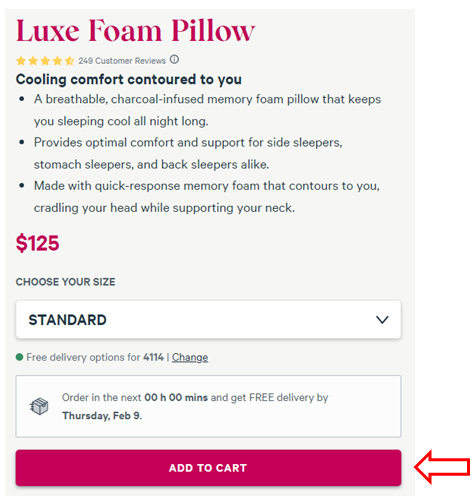
💡 Tip: The color of your "Buy Now" CTA button should be contrasting with the background color to make it stand out and draw attention to it.
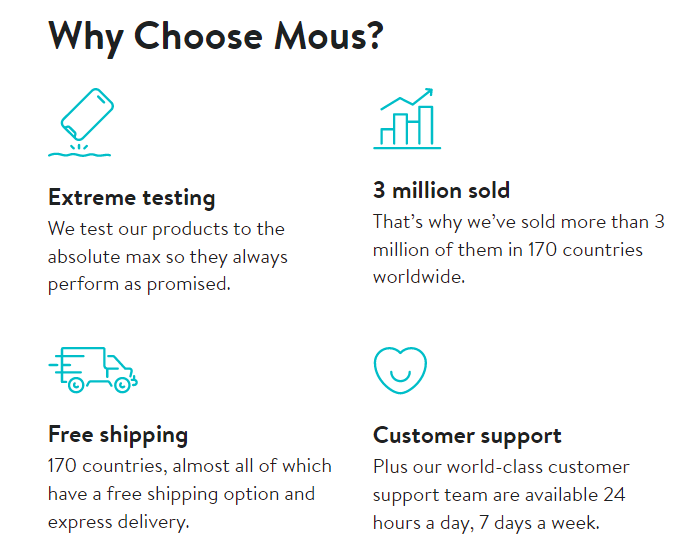
Step 8: Determine Unique Selling Points and Create USP Images
A USP (unique selling proposition) is what sets you apart from your competitors, the factors that make you stand out and why customers should choose to purchase from you instead of someone else.
Step 9: Choose Guarantees
Guarantees play a significant role in enhancing the success of your e-commerce product page. Consider that when making an online purchase, especially from a new company, there's always an element of uncertainty.
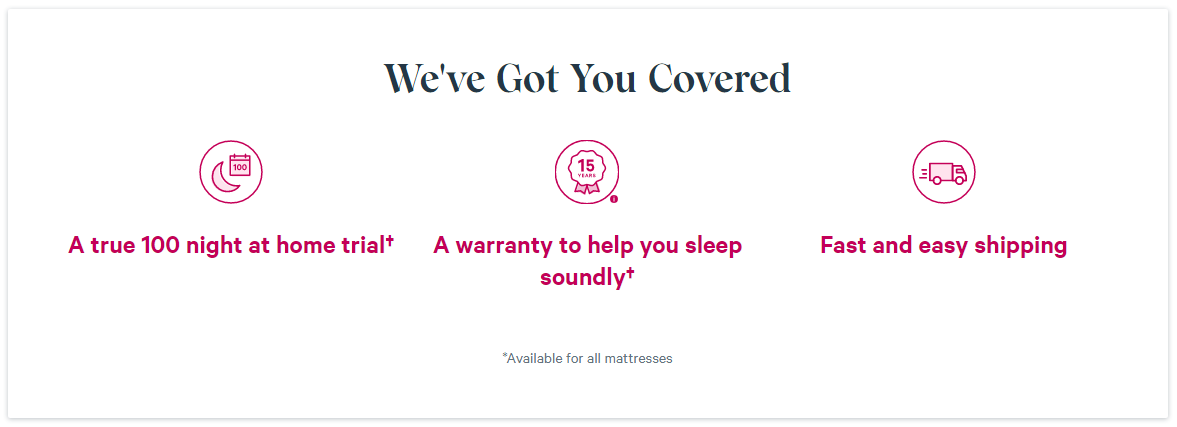
You can offer all kinds of different guarantees:
-
Money-back guarantee
-
Satisfaction guarantee
-
Lifetime guarantee
-
Buy-back guarantee
-
Happiness guarantee
-
Low-price guarantee
Step 10: Choose social proof images
Boost your product's credibility by showcasing images from third-party sources on your product page. Consider using customer reviews, celebrity endorsements, certification logos, media quotes and logos, and expert recommendations to add value to your product

- Provide Excellent Customer Support
Providing exceptional customer support is crucial to maintaining a positive reputation for your business. Start by covering the basics like minimizing wait times for customer service lines, promptly responding to emails, and offering a live chat option. Additionally, including a comprehensive FAQ section on your website can help address common customer inquiries.
- Implement Different Strategies to Increase Your Conversion Rate
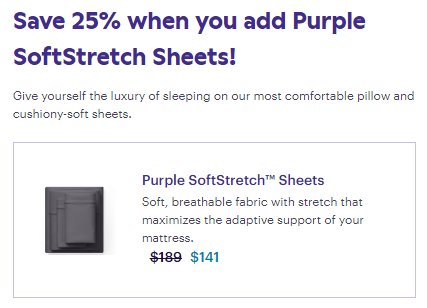
By incorporating these tactics into your sales funnel, you can add an extra layer of engagement and incentivization for customers, potentially increasing both your average order value and conversion rate.
- Offer free shipping: Offer free shipping for orders over a certain amount to incentivize customers to add more items to their cart.

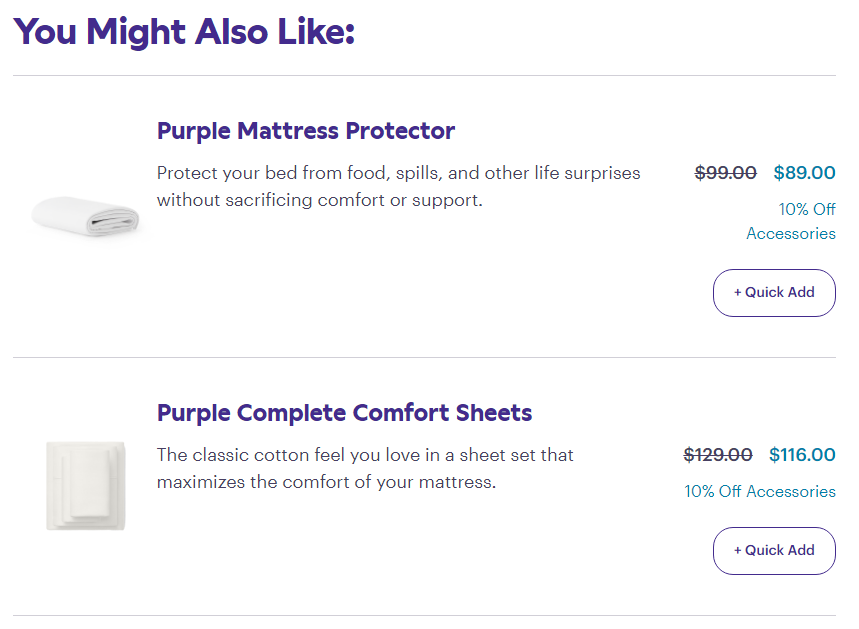
- Upsell and cross-sell products: Offer customers complementary or related products at the point of purchase to encourage them to buy more.
- Implement an abandoned cart recovery system: Automated email campaigns can be set up to remind customers about items left in their cart and offer them a discount or incentive to complete their purchase.
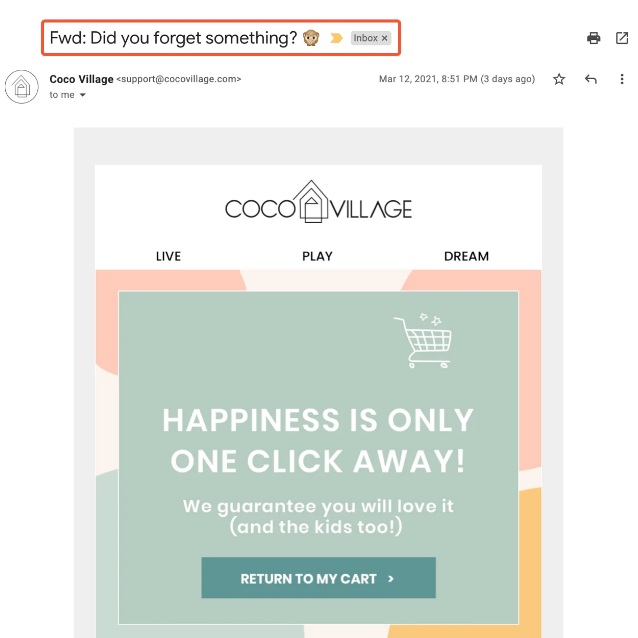
💡 Tip: By using a catchy and attention-grabbing subject line, you can increase the likelihood that the recipient will open and engage with your abandoned cart recovery email. Here are some suggestions for a catchy subject line:
"Oops, did you forget something?"
"Your cart is still waiting for you"
"Don't let these items get away!"
"Your dream purchase is still within reach"
"Complete your order and enjoy savings now!"
"Don't miss out on these exclusive items"
"Your cart is calling, complete your purchase"
"Don't let these deals slip away"
"Ready to complete your dream purchase?"
"Hurry! Limited time offer just for you"
-
Create a sense of urgency: Use limited-time offers, countdown timers, or low-stock notifications to create a sense of urgency and motivate customers to buy now.
-
Offer rewards for repeat purchases: Encourage repeat business by offering loyalty programs, points systems, or other rewards for customers who make multiple purchases.
-
Bundle products: Offer customers the option to purchase related products as a bundle at a discounted price. This not only increases the average order value but also saves the customer time and hassle in having to find and purchase each item separately.
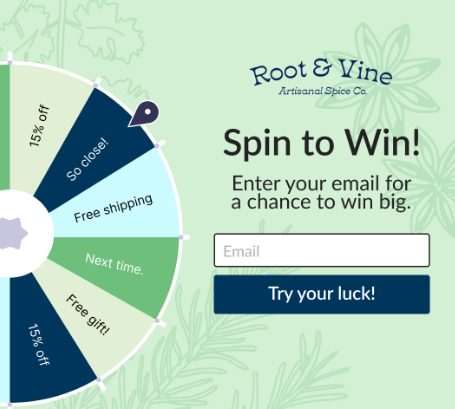
- Gamification: By incorporating gamification tactics into your sales funnel, you can make the shopping experience more engaging and fun for customers, potentially increasing their likelihood to purchase and their overall lifetime value. Here are some ideas for gamification to apply to your sales funnel:
Progress bar: Display a progress bar on your website or in your app to show customers how close they are to reach their next reward or level.
Rewards system: Offer customers rewards for completing certain actions on your website, such as making a purchase, writing a review, or referring a friend.
Leaderboards: Create a leaderboard to show customers how they rank against other customers in terms of points, purchases, or other metrics.
Quizzes and surveys: Offer customers the opportunity to take quizzes or surveys to learn more about their preferences and receive personalized recommendations.
Point-based loyalty program: Offer customers the opportunity to earn points for each purchase, which can be redeemed for discounts, free shipping, or other rewards.
Virtual scavenger hunt: Create a virtual scavenger hunt that takes customers through your website, encouraging them to explore and interact with different products and features.
Spin-to-win wheel: Offer customers the opportunity to spin a wheel to win prizes, such as discounts or free products, after completing a purchase or other action.
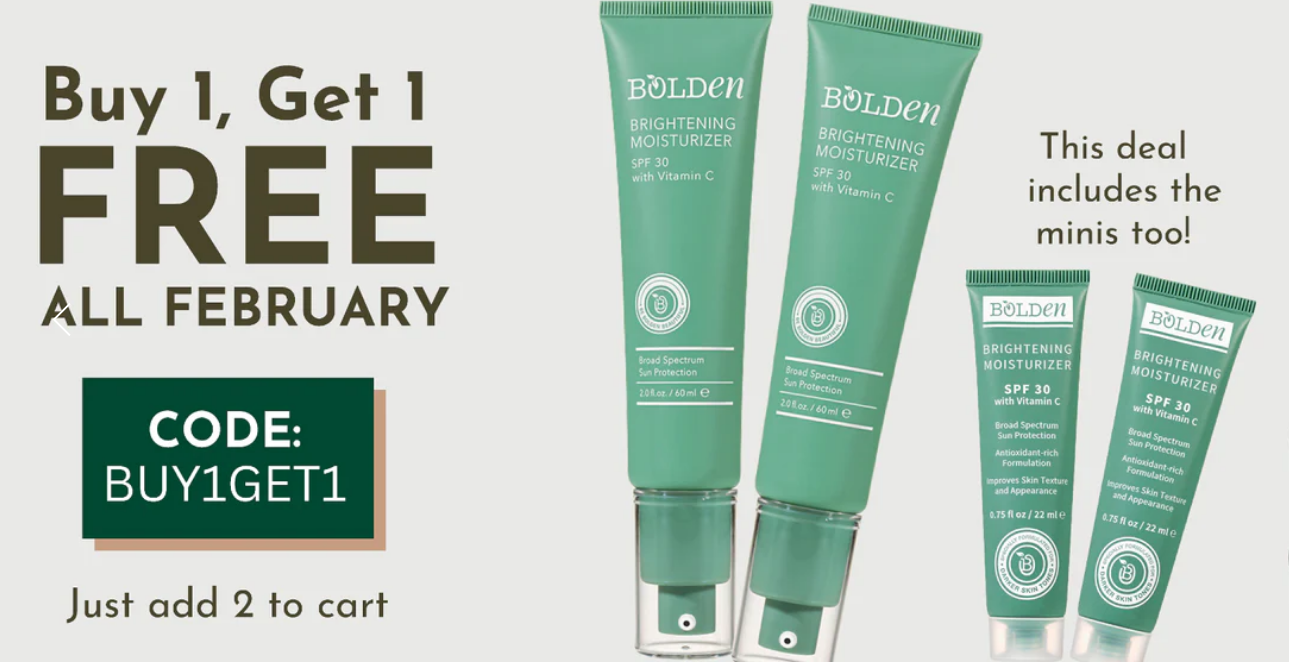
- Coupon codes: Offer customers exclusive coupon codes for a limited time to incentivize them to make a purchase. You can offer these codes through email campaigns, social media, or on your website. Be sure to track the success of each coupon code to determine which offers are most effective.
-
Optimize your website for mobile: Make sure your website is optimized for mobile devices, as an increasing number of customers shop on their smartphones.
-
Test and refine your sales funnel: Regularly test and refine your sales funnel to see what works best and make continuous improvements. Here are some ways to test your sales funnel:
A/B testing: Test different variations of your website, email campaigns, or advertisements to determine which version performs the best. For example, you could test different headline styles, call-to-action buttons, or email subject lines.
User testing: Ask a small group of customers to navigate your website and provide feedback on their experience. This can help you identify areas for improvement and optimize the customer journey.
Heat mapping: Use heat mapping tools to visualize how customers interact with your website and identify which areas are receiving the most attention and which are being ignored.
Customer feedback: Collect feedback from your customers through surveys, social media, or in-app messaging to understand their pain points and preferences.
Funnel analysis: Use analytics tools to track the performance of each stage of your sales funnel, including the number of visitors, conversion rates, and drop-off points. This can help you identify areas where your funnel is underperforming and make improvements.
Satisfy Your Customers
The loyalty and advocacy stage is the final step of an e-commerce sales funnel. At this stage, customers are repeat buyers who are happy with the products and services they have received and are willing to recommend them to others.
This stage is crucial as it creates brand ambassadors who can promote the business through word-of-mouth marketing and bring in new customers. Cultivate customer loyalty and advocacy by providing excellent customer service, offering exclusive promotions and rewards, and consistently delivering high-quality products. This can lead to increased customer retention, brand loyalty, and growth of the business over time.
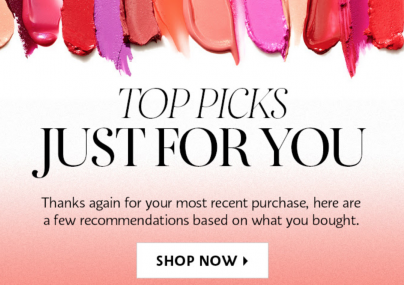
- Personalized offer: Delighting your customers with a special offer tailored to their interests and preferences can increase customer satisfaction and brand loyalty.
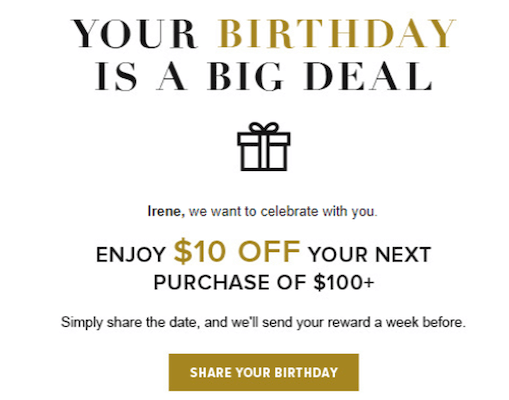
- Customer Appreciation: Showing customers that they are valued and appreciated through small gestures such as birthday discounts or thank-you notes can increase customer loyalty and repeat business.
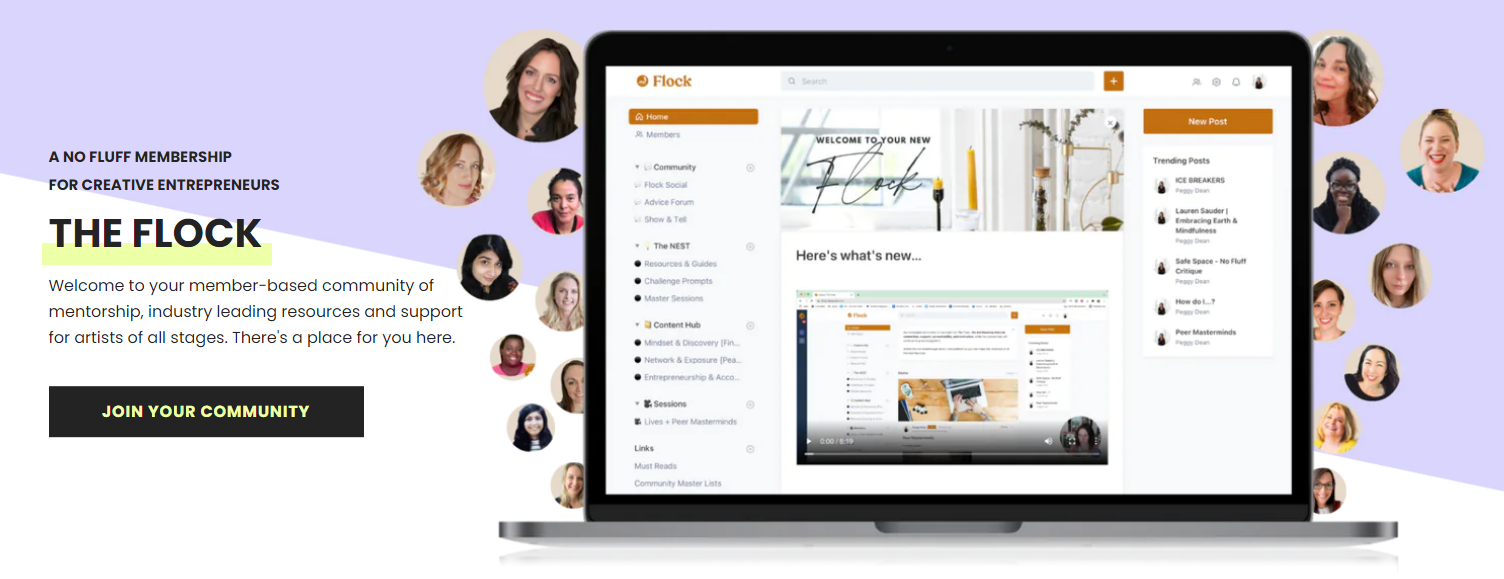
- Social media community: Building a community with customers through social media can increase brand engagement and foster a sense of belonging among customers, leading to increased customer loyalty and advocacy.
Conclusion
You’re done! It is important to remember that setting up a sales funnel on Shopify is crucial to the success of your e-commerce business. To ensure the smooth execution of your sales funnel, make sure to follow these steps:
-
Attract the right visitors - this includes targeted advertising and content marketing strategies.
-
Demonstrate the value of your products - showcase your unique selling proposition and social proof.
-
Convert visitors into customers - this involves optimizing your product pages, creating a persuasive call to action, and using a user-friendly checkout process.
-
Satisfy your customers - this includes providing excellent customer support, making personalized offers, and creating a community with your customers through social media.