A Guide to Analyzing Your Competitor's Facebook Ads Strategy
To give you a step-by-step guide on how to analyze your competitor’s Facebook Ads strategy.
Prefer a shortcut? 16 free tools do parts of this for you.

Aim: To give you a step-by-step guide on how to analyze your competitor’s Facebook Ads strategy.
Optimal Outcome: To give you a standardized process in auditing and analyzing your competitor’s ad campaign strategies which can help you improve your own campaigns.
What do you need to start: Access to Facebook Ads Library
Why is this SOP Important: Analyzing competitors' Facebook ads can provide insights into market trends, identify opportunities, and improve your own advertising strategy by evaluating strengths and weaknesses of the competition. It helps in staying ahead of the curve and making data-driven decisions to optimize campaigns and respond quickly to market changes.
When and Where to execute: Facebook Ads Library. It is best to analyze your competitor’s ad strategy regularly to stay up-to-date with the latest trends and insights in your industry. It’s especially critical to pay attention to your competitor’s activities during key times such as product launches, holiday seasons, or major events in your industry. Also, it's a good idea to continuously monitor your competitors' ads to stay ahead of the competition and make informed decisions about your own advertising strategy.
Who Should Be Doing This: Marketing staff, Sales or advertising personnel
What is Facebook Ads Strategy?
A successful Facebook Ads strategy typically involves defining your target audience, setting clear objectives, researching and selecting the most appropriate ad formats and placements, creating compelling ad content, continually monitoring and adjusting your campaign to optimize performance, and measuring and analyzing the results to inform future strategy. The ultimate goal is to reach your target audience with a message that resonates and drives conversions, whether that be sales, website traffic, or other desired actions.
Execution
Find out how significant social media traffic is in your competitor's strategy.
-
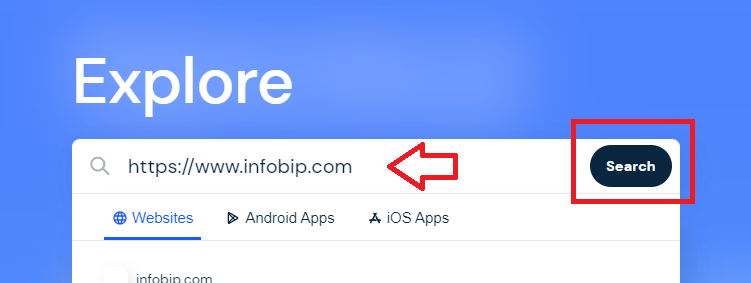
Go to SimilarWeb.
-
Enter your competitor’s website and click Search.
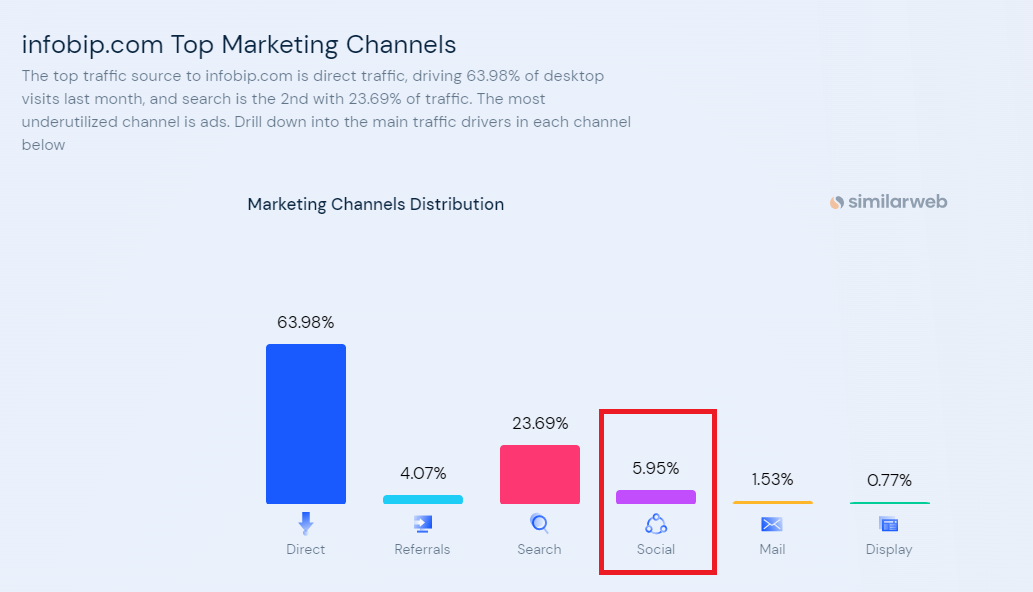
- Scroll down to look for Top Marketing Channels and check how much of his traffic is coming from Social Media.
- Next, scroll further to check how much of that social media traffic is coming from Facebook. Note that this will aggregate both organic and paid traffic. In most cases, organic social doesn’t drive a substantial amount of traffic though, so usually, you can safely assume that the largest portion of that is paid.
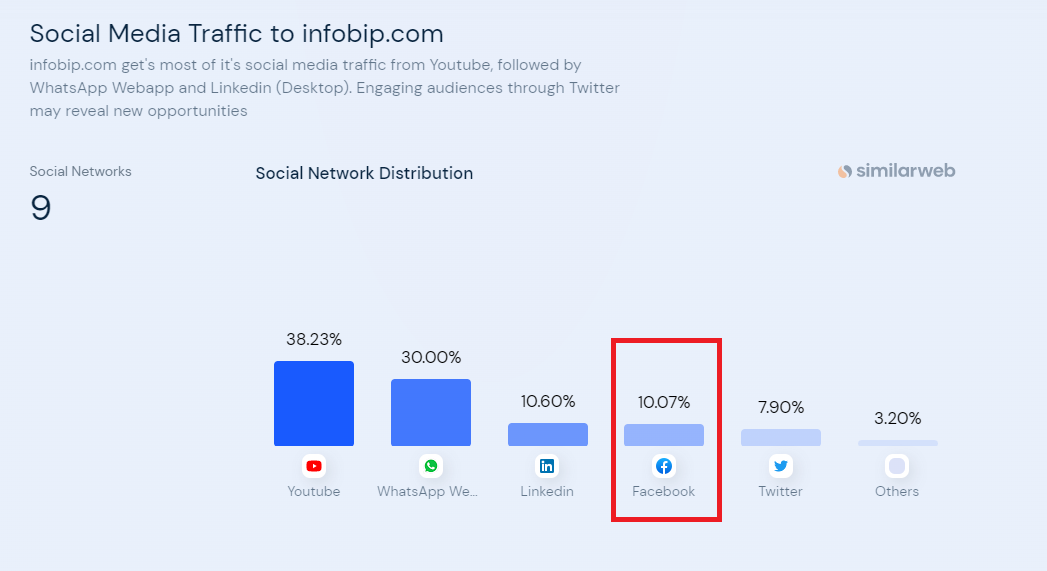
- You can now estimate the percentage of overall traffic that your competitor gets from Facebook by multiplying the two percentages.
Example:
-
SimilarWeb: Percentage of traffic from social: 25%
-
SimilarWeb: Percentage of social traffic from Facebook: 50%
-
Calculation: Percentage of Facebook traffic of overall traffic sources of your competitor: 25% x 50% = ~12.5% of your competitor’s traffic comes from Facebook.
Find out all the ads your competitor is running on Facebook
-
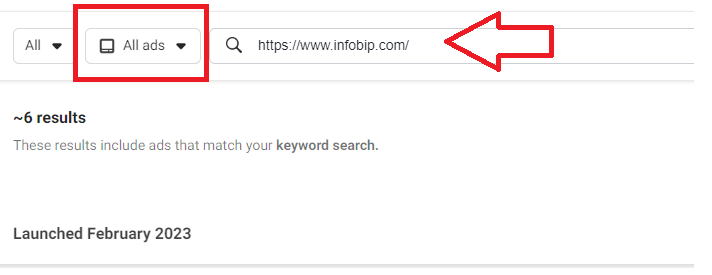
Go to the Facebook Ad Library.
-
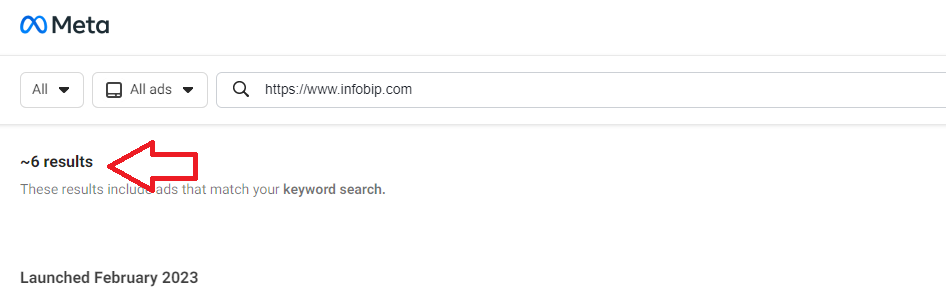
Select All Ads, then enter your competitor’s website.
-
You’ll be able to see how many active ads your competitor is running. The number of results will let you know how much your competitor is testing and segmenting, and their potential budget.
- You can also apply some filters to further tune in your results.

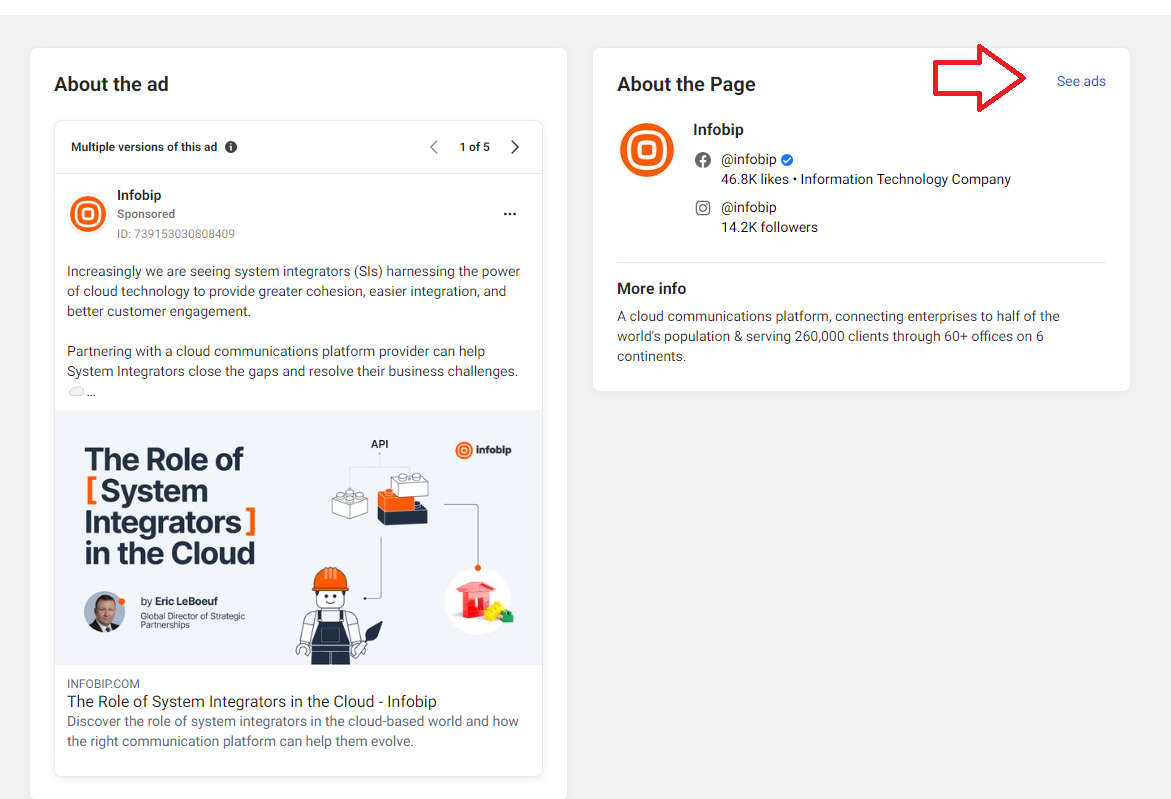
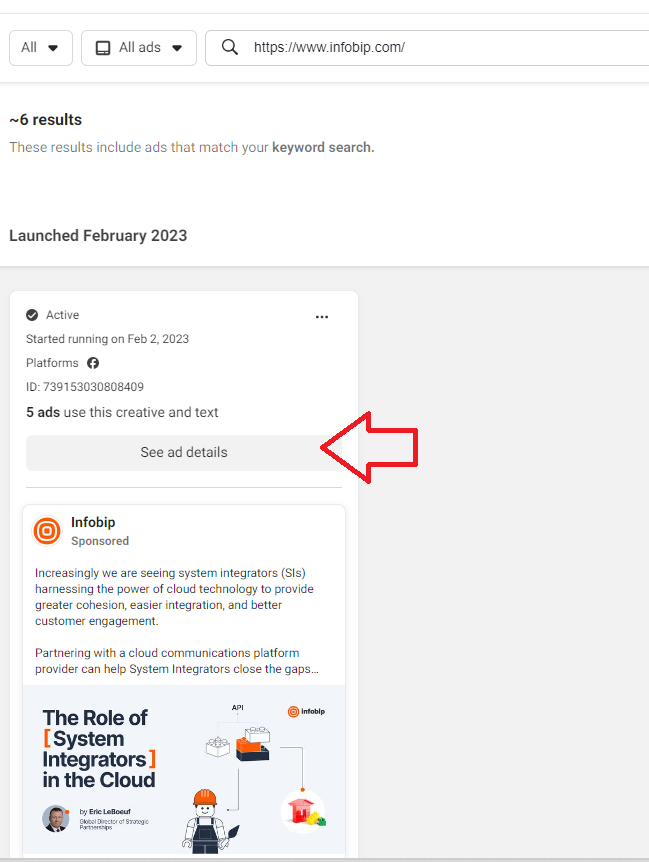
- To check the competitor’s landing pages, click See ad Details, then click See ads.
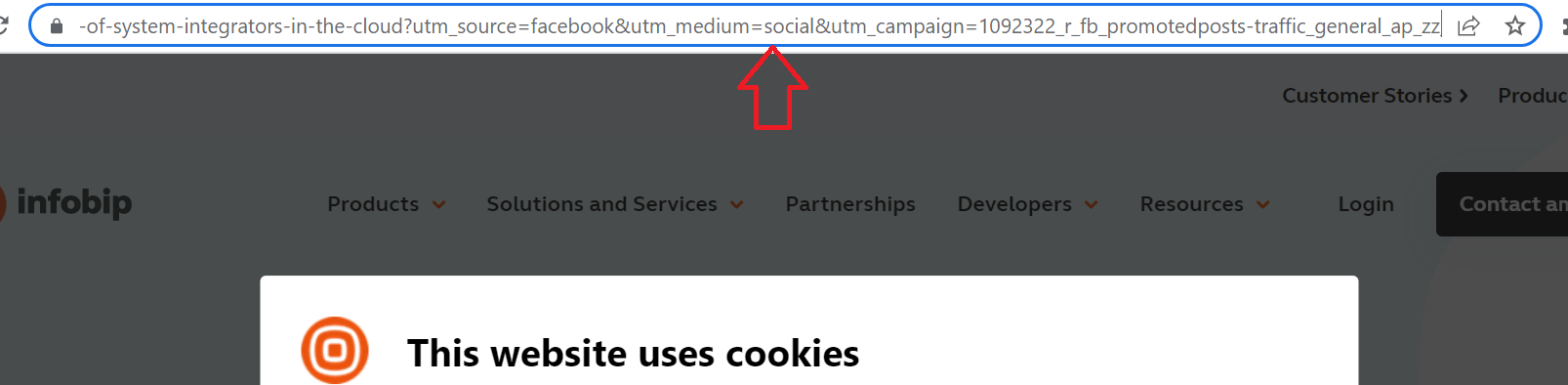
- Check the landing page URL, sometimes it contains information about your competitor’s campaigns (in UTM parameters or similar).
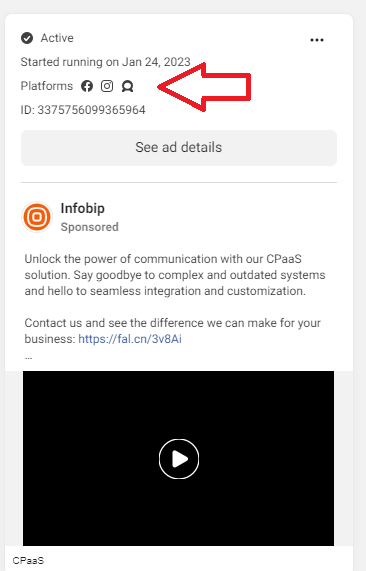
- Check the placements your competitor is using on its ads. In this example, the ad is running on Facebook, Instagram, and audience network.
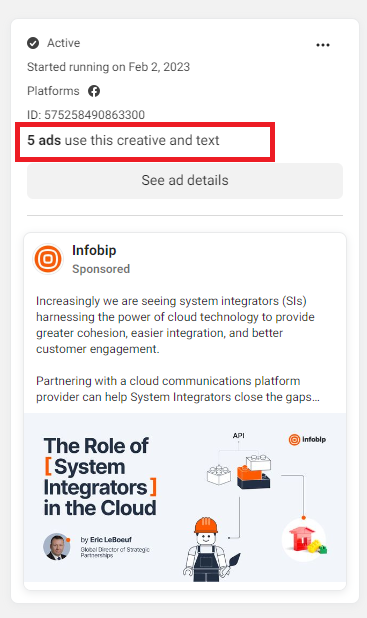
- Check if your competitor is using Dynamic Creative Ads.
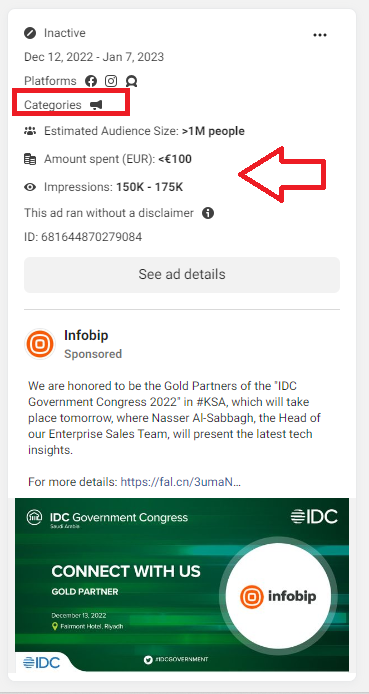
- Check if your competitor is running political ads. In some rare instances, non-political ads get classified as such.
Even if you’re sure they’re not, it’s always worth checking because it contains extremely valuable insights into your competitor’s overall Facebook Ads strategy.
Summarize your findings and create an audit report
| Criteria | Example Findings |
|---|---|
| Facebook Traffic | Sample Comment: Brand: Infobip 6% of their traffic comes from social, and 10% of their social traffic comes from Facebook, so roughly 0.6% of their traffic comes from Facebook. In total they have an estimated 15M visits a month, meaning roughly 900,000 visits are coming from Facebook. |
| Ads Volume | How many ads are they currently running? |
| Countries | How many countries are they currently targeting and which countries? |
| Recurring CTAs | What do their ads promote at each stage of the funnel? Sample comment: Brand: Headspace Leads CTA: Signup for Headspace Free Free Users: Sign-up for a 30-day Headspace Plus Trial Paid Users: Share the Love (Offer 30 days to a friend) // Get some Headspace (Meditate now) Note: Sometimes you won’t find the funnel stages on your competitors UTMs, so you’ll need to make some assumptions. |
| Promotions | Do they run sales or promotions frequently? What do they offer? Sample comment: Brand: Headspace Currently not running any promotions on Facebook Ads. |
|---|---|
| Content | Do they promote content on Facebook Ads? What kind of content? Sample comments: Brand: Headspace They’re promoting 5-minute meditation videos and blog posts to learn about the benefits of meditation. |
| Split-Tests | Are they running obvious split-tests on their ads? Note: To identify split-tests, look for groups of ads that were launched on the same day and share similarities with only small differences. Sample comment: They seem to be running split-tests with different videos using the same voice-over but different graphics. |
| Formats and Placements | Are they running ads specially designed for specific platforms? (e.g. Facebook, Instagram, Mobile, Desktop) Sample comment: Brand: Headspace They don’t seem to be segmenting by platform or placement. |
| Landing Pages | Which landing pages are they driving traffic to? Which ones are the most recurring? Sample comment: Brand: Headspace They seem to be driving most of their traffic to the App Store/Google Play URL (https://apps.apple.com/app/id493145008) but some ads point to their homepage as well (https://www.headspace.com/) |
|---|---|
| Creative Type | What kind of creatives do they typically use? Sample comment: Brand: Headspace All currently running ads are video ads. Both 9:16 and 1:1 |
| Products | Which products are they promoting the most (if it’s multi-product)? |
| If they are running political ads |
|
Conclusion
That's it! You now have a thorough understanding of your competitor's Facebook advertising strategy.
-
By analyzing your competitor’s Facebook ads, you can assess their strengths and weaknesses, and adjust your strategy accordingly.
-
Keeping an eye on your competitor’s Facebook ads helps you stay ahead of the curve and respond quickly to changes in the market.
-
Analyzing your competitor’s ads can give you insights into what’s working and what’s not, allowing you to make data-driven decisions to optimize your own campaigns.
-
Seeing what your competitors are doing can give you ideas for new campaigns and help you find untapped niches to target.
-
By studying your competitor’s ads, you can get a sense of what’s popular in your industry and what kind of messages and visuals resonate with your target audience.