Check Dwell time and optimize it
This process aims to check dwell time and optimize website easily and to find the content visitors are looking for and move through the store without experiencing frustration or…
Prefer a shortcut? 16 free tools do parts of this for you.

Aim: This process aims to check dwell time and optimize website easily and to find the content visitors are looking for and move through the store without experiencing frustration or confusion.
Optimal Outcome: The main objective of this process is to successfully check dwell time in Shopify to improve the overall user experience, increase search engine rankings, and drive higher conversion rates and revenue for your store.
What do you need to start: You must have a Shopify store to start this process.
Why is this SOP Important: Dwell time is an important metric to track and optimize in Shopify because it can drive customer engagement, improve search engine rankings, retain customers, and provide insights into page performance. By creating high-quality and engaging content and optimizing the user experience, stores can work to increase dwell time and ultimately drive revenue.
When and Where to execute: Dwell time measurement is an ongoing process that should be monitored and analyzed on a regular basis to gain a better understanding of user behavior and to identify areas for improvement. It's important to track dwell time for different pages on the Shopify store to get a comprehensive understanding of how users are interacting with the site.
Who Should Be Doing This: The responsibility of monitoring and analyzing dwell time can fall on a few different individuals or teams, depending on the size and structure of the organization. This can either be a web analyst, from marketing team, UX/UI Designer, or E-commerce manager.
What is Dwell Time?
Dwell time refers to the amount of time a user spends on a website before returning to the search engine results page or navigating to another website. In the context of Shopify, dwell time refers to the amount of time a visitor spends on the Shopify store before leaving the site.
Dwell time is an important metric in Shopify because it provides insights into user engagement and can indicate how well the store is performing in terms of providing a positive user experience. A longer dwell time can indicate that users are finding the site engaging, informative, and easy to navigate, while a shorter dwell time can suggest that users are not finding what they are looking for or are encountering issues that are preventing them from staying on the site.
In addition to indicating the overall performance of the Shopify store, dwell time can also be used to identify specific areas for improvement. For example, if certain pages on the site have a particularly short dwell time, it may be an indication that there are usability issues, confusing navigation, or irrelevant content that needs to be addressed.
To improve dwell time in Shopify, it's important to create high-quality, relevant, and engaging content that is optimized for both search engines and human visitors. This can include using descriptive and engaging product titles and descriptions, creating visually appealing product images and videos, and optimizing page load times to ensure that visitors can quickly access the content they are looking for.
It's important to make the navigation of the store easy and intuitive, so that visitors can easily find the content they are looking for and move through the store without experiencing frustration or confusion. Providing clear and prominent calls-to-action can also help to guide visitors towards the next step in their purchase journey and keep them engaged with the store's content.
Overall, tracking and optimizing dwell time in Shopify can help improve user engagement, increase sales, and provide a positive user experience that encourages visitors to return to the store.
Execution
How to optimize dwell time in Shopify
Optimizing dwell time in Shopify involves making changes to the site to encourage visitors to stay on the site longer. Here are some strategies to optimize dwell time in Shopify:
- Improve site speed: Site speed is an important factor in user engagement, and slow loading times can lead to high bounce rates and short dwell times. To improve site speed, you can compress images, use a content delivery network (CDN), and reduce the number of third-party apps and plugins on the site.

- Make navigation intuitive: Navigation is a key factor in user engagement, and a confusing or cluttered navigation menu can lead to short dwell times. To optimize navigation, use clear and concise labels, limit the number of menu items, and use breadcrumbs to help users understand their location on the site.
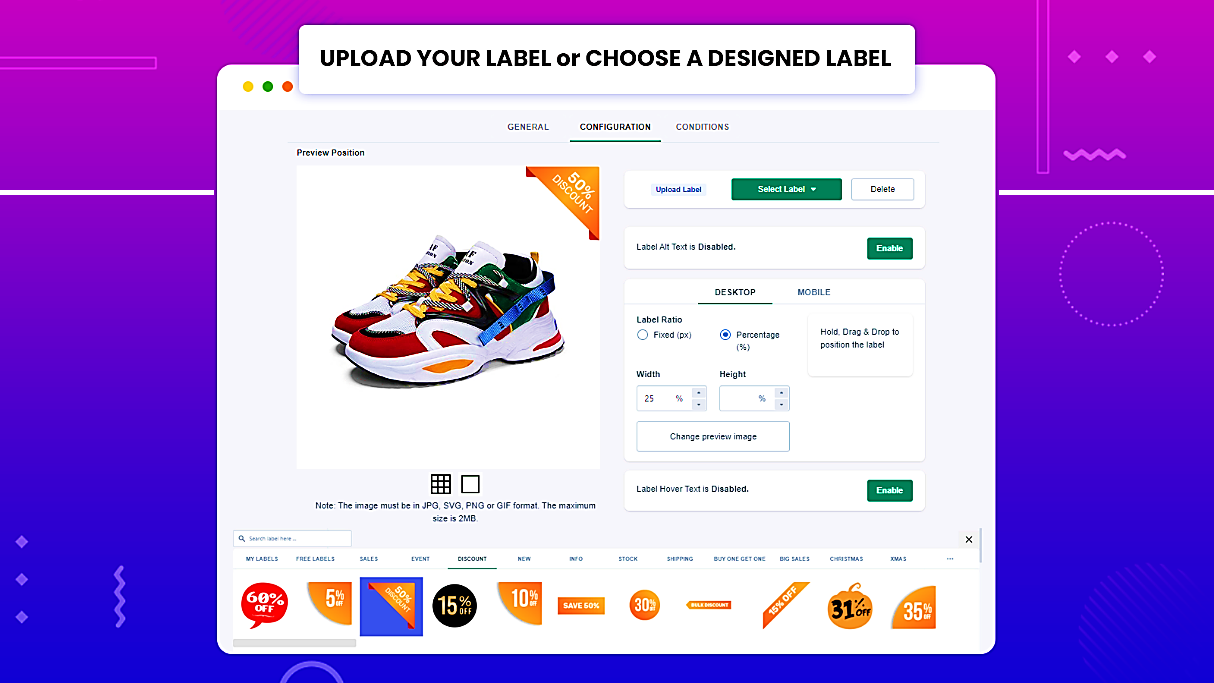
- Use engaging content: Engaging content, such as product descriptions, images, and videos, can help keep visitors on the site longer. To optimize content, use high-quality images and videos, write compelling product descriptions, and use customer reviews and testimonials to build trust with visitors.
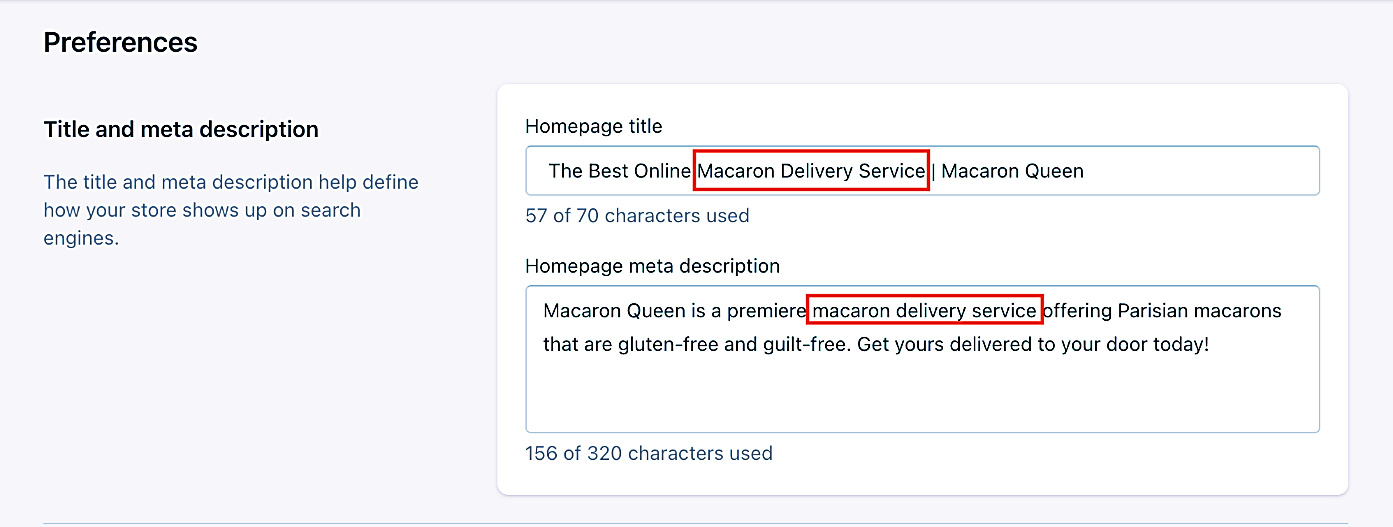
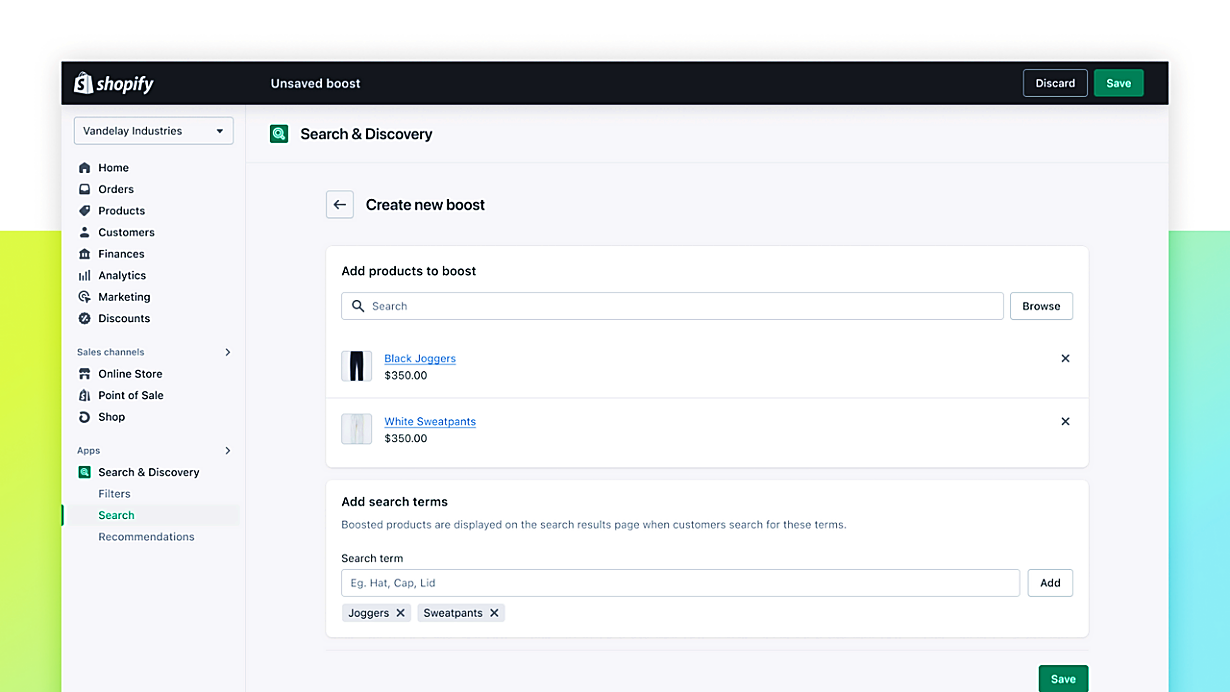
- Improve site search functionality: Site search is an important tool for visitors to find the products they are looking for quickly and easily. To optimize site search, use autocomplete and suggestions to help users find relevant products and ensure that the search function is prominently displayed on the site.
- Use targeted promotions: Targeted promotions, such as personalized recommendations and discounts, can help keep visitors on the site longer and encourage them to make a purchase. To optimize promotions, use data on visitor behavior and purchase history to personalize promotions, and use urgency messaging to create a sense of urgency and encourage visitors to take action.

Conclusion
You’re done! Always remember that optimizing dwell time in Shopify involves creating a positive user experience that encourages visitors to stay on the site longer and engage with the content and products. By implementing these strategies, you can improve user engagement, drive sales, and build a loyal customer base.
Dwell time is important in Shopify for a few key reasons:
-
User engagement: Dwell time is a measure of how long visitors spend on a page before leaving, and a longer dwell time typically indicates that visitors are engaging with the content on the page. This is important because engaged visitors are more likely to have a positive experience and make a purchase, which can ultimately drive revenue for the store.
-
Search engine optimization (SEO): Search engines like Google use dwell time as a factor in determining the relevance and quality of a page. Pages with longer dwell times may be seen as more valuable to visitors, and as a result, may rank higher in search engine results pages (SERPs). Higher search engine rankings can lead to more traffic and revenue for the store.
-
Customer retention: Dwell time can also be an indicator of how likely visitors are to return to the store in the future. If visitors spend a longer time on a page, they are more likely to remember the store and consider returning later. This can ultimately help to improve customer retention and loyalty.
-
Insights into page performance: Tracking dwell time on different pages of a Shopify store can provide insights into which pages are performing well and which may need improvement. Pages with shorter dwell times may indicate issues with the content or user experience, while pages with longer dwell times may indicate high-quality content and engagement.
-
Reduced bounce rates: A longer dwell time can help to reduce bounce rates, which is the percentage of visitors who leave a website after viewing only one page. A high bounce rate can indicate that visitors are not finding the content on a page valuable or relevant and can hurt a store's search engine rankings.